
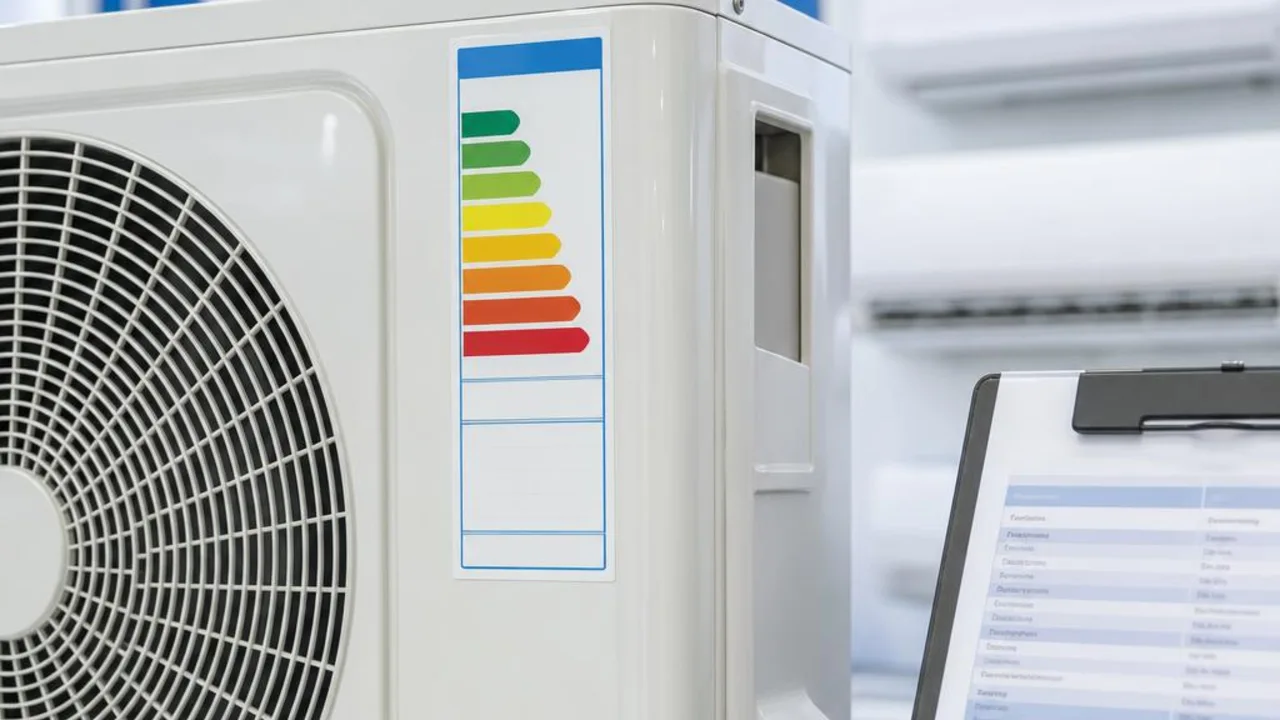
Home air-conditioning cleaning tips: a complete guide to improving performance and saving energy
Contents
As the summer heat approaches, cleaning and maintaining the home air conditioner becomes especially important. A well-running air conditioner not only brings a cool and comfortable environment, but also helps save electricity while reducing carbon emissions. This article will provide some professional and practical home air conditioner cleaning tips to help you complete cleaning and maintenance with ease.
Why clean the air conditioner?
An air conditioner that runs for a long time will collect dust, affecting air circulation and reducing operating efficiency. Regular cleaning helps maintain performance.
The best time to clean the AC
Before a period of more frequent AC use, you may check the filter, odour and any dripping. Whether deep cleaning is needed should be assessed based on the model, actual dirt buildup and usage environment. It cannot be assumed that deep cleaning is required every six months simply because it is used year-round.
Preparation before AC cleaning
Before cleaning, please switch off the air conditioner to ensure safety. Prepare the cleaning tools, including a soft-bristled brush, a slightly damp cloth, a special cleaning agent, and an empty basin or plastic bag for collecting wastewater.
Exterior cleaning of air conditioners
Use a soft-bristled brush or vacuum cleaner to remove dust from the outside of the AC. For stubborn stains, gently wipe with a slightly damp cloth, taking care not to let water seep into the unit.
Filter cleaning
The AC filter is the first line of defence for air quality. After removing the filter, rinse it with clean water or use a vacuum cleaner to remove the dust. If the filter is very dirty, you may use mild soapy water to clean it, but remember that it must be completely dry before it is reinstalled.
Cleaning the evaporator and condenser
This is the more technical cleaning part and is recommended to be done by a professional. If you are confident doing it yourself, please refer to the AC user manual, dismantle carefully and use a dedicated cleaning agent.
Drainage system inspection
The drain pipe of an air conditioner may become blocked by dirt or dust, causing poor water flow. Long-term water accumulation may lead to odour or even damage the unit. During inspection, a thin flexible hose or wire can be gently passed through the drain pipe to clear internal blockages.
Pay attention to refrigerant top-up and maintenance
Pay attention to cooling performance: If the air conditioner’s cooling effect has dropped significantly, it may indicate a problem with the compressor assembly. In that case, contact a professional for a thorough diagnosis; do not attempt to adjust the refrigerant system yourself.
Test AC operation status
After cleaning, do not rush to switch on the air conditioner immediately. Wait about 15 to 30 minutes to let any moisture introduced during cleaning evaporate, then switch it on and check whether all parts are operating normally.
The importance of regular maintenance
Even if your AC appears to be working well, regular professional inspection and cleaning are still essential. This not only extends the life of the AC, but also ensures efficient operation and reduces energy waste.
Home air-conditioning cleaning is a regular maintenance task. It directly affects household comfort, health and the energy efficiency of the air conditioner. Mastering the correct cleaning methods and carrying out regular maintenance will help your air conditioner perform at its best during the hot summer, while saving on electricity bills and future repair costs.
Related reading and services
Need professional help?
Need to know about Residential air conditioning service? First check the service scope and arrangements, then provide the model and site details for enquiry