
Complete guide: avoid common AC cleaning mistakes
Contents
AC cleaning is a key maintenance step to keep an air conditioner running efficiently and extend its service life. However, some common mistakes during cleaning may cause damage or affect performance. In this article, we will explore how to avoid common mistakes when cleaning an air conditioner to keep it in good working condition.
1. Common mistakes and how to avoid them
Do not switch off the power
Before cleaning the air conditioner, be sure to switch off and disconnect the power. Touching live air conditioning equipment carries a serious risk of electric shock.
Prevention method: before cleaning the air conditioner, make sure it is disconnected from the power socket and confirm that the power is off.
Using sharp or hard cleaning tools
Using sharp or hard cleaning tools, such as a wire brush, may scratch or bend the heat sink fins and affect cooling performance.
Prevention method: use a soft brush or towel for cleaning and avoid sharp or hard tools.
Pressure washer cleaning for outdoor units
Using a high-pressure spray gun to wash the outdoor unit may damage internal parts or cause moisture ingress.
Prevention method: use a soft brush or a low-pressure water hose to clean the outdoor unit to avoid damage.
Ignoring filter cleaning
Filters are a vital part of the air conditioning system. They trap dust and dirt to maintain indoor air quality. Neglecting filter cleaning may cause blockages, affecting cooling performance and indoor air quality.
Check removable filters as required by the manufacturer, and clean accumulated dust in a suitable way. Replace the filter only if it is damaged or can no longer work normally; there is no fixed rule that every model must be cleaned at least once a month.
Electrical handling and protection before cleaning
Before cleaning, the service provider will confirm power supply, shutdown and protection arrangements according to the model and site conditions, and will not treat routine AC cleaning as the same as inspection of fixed electrical installations.
Residents should not tighten wiring, test for short circuits or dismantle electrical components themselves. If there is damage, a burning smell, water ingress or a tripped breaker, stop using it first and arrange for a suitable person to inspect it.
Insufficient drying of filters and parts.
After cleaning the filter or other parts, insufficient drying may cause moisture to remain inside the unit and affect operation.
Prevention method: fully air-dry the cleaned filters and parts and reinstall them only after they are completely dry.
2. Basic steps for cleaning an air conditioner
Here are the basic steps to follow when cleaning an air conditioner:
- Disconnect the power and remove the AC panel.
- Remove the filter and wash it with water and a mild detergent.
- Use a soft brush to gently clean the indoor unit radiator and remove dust and dirt.
- Check the fan and motor, clean them and make sure there is no blockage from foreign objects or abnormal wear.
- Clean the outdoor unit by using a soft brush and hose to remove dust and dirt.
- Wipe the surfaces of the indoor and outdoor units with a towel, and allow the filter and parts to dry completely in the air.
- Reinstall the filter and panel, and make sure all electrical connections are secure.
When cleaning an air conditioner, pay attention to and identify the following parts:
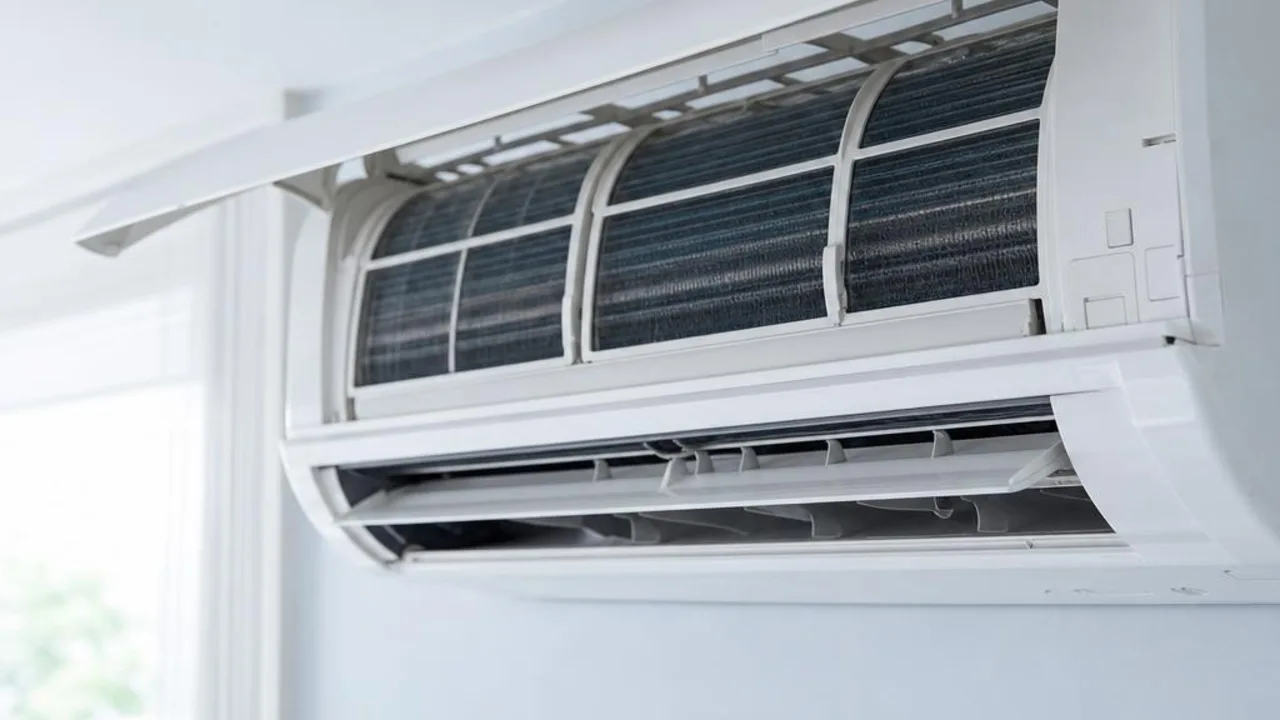
A) Filter: the filter traps dust and dirt and maintains indoor air quality. Clean or replace it regularly to avoid affecting the cooling performance and indoor air quality.
B) Condenser: The indoor unit's condenser is responsible for heat exchange and maintaining cooling performance. Use a soft brush to gently brush off dust and dirt, and avoid using sharp objects for cleaning.
C) Fan and motor: When cleaning the fan and motor, check for obstructions or abnormal wear. If needed, seek professional repair.
D) Outdoor unit: The outdoor unit's heat exchanger and fan also need regular cleaning. Use a soft brush and a hose; do not use a high-pressure washer.
3. Frequency of AC cleaning
Routine filter maintenance and deep internal cleaning should be assessed separately. The cleaning method and arrangement should be based on the model manual, usage environment, dirt buildup and abnormal conditions. It cannot be claimed that every AC must be cleaned monthly and deeply cleaned yearly to maintain efficiency.
4. Importance of AC maintenance
Air conditioning maintenance is essential for ensuring efficient operation, extending lifespan, maintaining indoor comfort and air quality. Regular inspection and cleaning can help prevent breakdowns, save energy, and lower repair costs.
5. Seek professional help
If you are unfamiliar with AC cleaning or unsure how to do it, please seek professional help. Professional AC repair technicians can provide expert cleaning and maintenance services to ensure the unit operates normally.
Overall, AC cleaning is an important maintenance task that ensures efficient operation and extends service life. Following the correct cleaning methods and regularly inspecting and cleaning the AC can provide better indoor comfort and air quality, keeping the unit clean and well maintained so you can enjoy a cool and comfortable indoor environment during the hot summer months.
Find professional help
During AC cleaning, seeking help from a professional team can effectively avoid common mistakes. They have the expertise and tools to ensure the cleaning process is done correctly, improve performance, extend service life, and protect your comfort and safety.
Related reading and services


Want to arrange AC cleaning or maintenance?
OPOExpert Air Conditioning provides residential and commercial AC cleaning and maintenance with clear pricing. Enquiry first or book online directly