
Still musty after AC cleaning: check the source first, then arrange follow-up
Contents
If there is still a smell after AC cleaning, first note whether it appears when the unit is turned on, after it is switched off, or when it rains, and whether the smell comes from the vent, the drain or elsewhere. The odour may involve untreated dirt, drainage, moisture or other sources; smell alone cannot confirm the type of mould, and a second cleaning cannot be guaranteed to solve it.
Cause analysis: why does the air conditioner still smell musty after cleaning?
- Dirty filter: if it is not thoroughly cleaned, dirt on the filter may encourage microorganisms to grow, causing a mouldy smell.
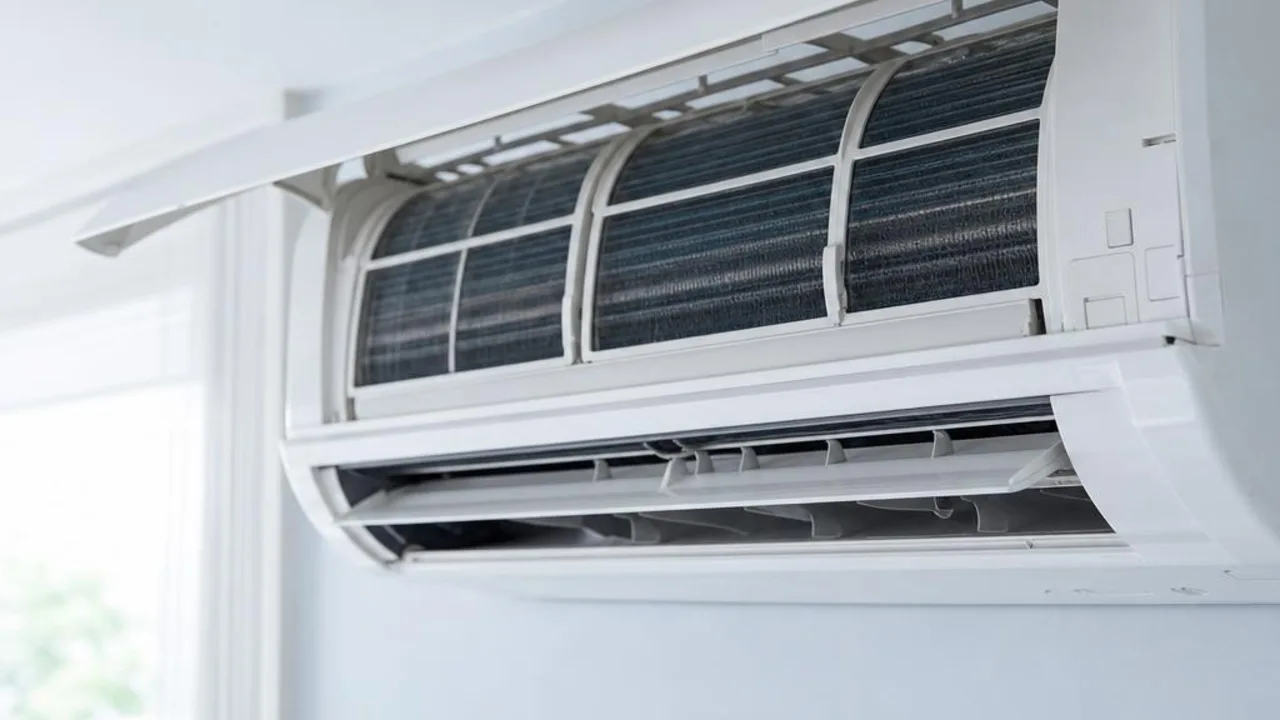
- If the fan and heat sink are not cleaned, they may accumulate a lot of dust and mold, which is also one of the main sources of musty smell.
- If the drain pan and drain pipe are not cleaned, scale and mould may build up, which can cause a musty smell.
- High indoor humidity: if the ambient humidity stays high for a long time, it will affect air conditioner efficiency and encourage microbial growth.
If there is still an odour after cleaning, how should follow-up be handled?
- Routine filter maintenance: first stop the unit and isolate the power according to the model manual, then only handle filters that can be safely removed. Not all filter materials are washable; clean, dry and reinstall them according to the manufacturer’s method, and do not dismantle the casing or touch electronic components yourself.
- Internal fan and fins: service staff will confirm the cleaning method and protection arrangements according to the model, accessible locations and unit condition. Do not insert tools, spray cleaning liquid, or dismantle internal parts yourself.
- Any dirt buildup, damage, or blockage in the drain pan and drain pipe will be confirmed and handled by our staff. Do not pump out water yourself, insert cotton swabs or brushes, remove pipes, or pour in water. Additional unblocking and parts repair will be confirmed with scope and quotation first.
- Control indoor humidity: use a dehumidifier or open windows for ventilation to reduce indoor humidity and mould growth. Keeping the air circulating indoors also helps reduce musty odours.
- For maintenance arrangements, inspection and cleaning needs are confirmed based on the manufacturer’s instructions, operating time, accumulated dirt, and any existing issues. The scope for filters, internal parts, and drainage is different, so a fixed monthly interval does not guarantee no odor.
- If there is still an odour after cleaning: provide the original service team with the time it appeared, the model, the cleaned areas and photos that can be taken safely, then confirm whether dirt buildup, drainage or other sources need to be checked. Any additional work must be confirmed in advance with the scope and quotation. Cleaning does not guarantee that all odours can be removed.
Preventive measure: avoid the smell of mold returning in the AC
- Keep the indoor space dry: use a dehumidifier or ventilate regularly to keep indoor humidity within a suitable range and avoid mould growth.
- Maintenance and filter replacement: arrange according to the model manual, filter type and actual condition; a washable filter does not mean it needs regular replacement, and non-washable filters should not be soaked.
- Operating modes: The functions of dry, auto and fan modes vary by model. Use them according to the manual and indoor needs; turning on a mode does not mean the inside has been cleaned, and it does not guarantee anti-mould protection.
- Shutdown and restart: follow the manufacturer's shutdown guide for cleaning and drying. After long periods of non-use, first check the visible condition; if there is a smell, dripping water or electrical abnormality, arrange an inspection, and do not switch it on at random just to prevent mould.
- Model and environment: different models have different cleaning locations and maintenance requirements. When purchasing, check the suitable space and the manufacturer's maintenance guidelines, and do not treat the brand, price or dehumidifying function as a guarantee of no odour.
- Understand the correct way to use your AC: read the user manual to learn the proper operating methods and maintenance points, and avoid mould growth caused by improper use.
- Keep the room clean: clean the indoor area regularly, remove dust and dirt, and prevent dirt from entering the inside of the air conditioner and affecting its cleanliness.
- Focus on indoor ventilation: Open windows to let fresh air in, which helps keep indoor air fresh and reduces the chance of musty smells developing.
First identify the source of the smell, then distinguish between routine filter maintenance, professional cleaning, drainage and repair needs. If the smell remains after cleaning, keep the record and arrange follow-up; do not increase the chemical concentration yourself or dismantle the unit.
Find professional help
Enquire about TimesProvide the model, date of the last service, when the odour appeared, and any measures already taken. Staff will confirm the inspection and the scope that can be handled according to the situation; cleaning is not the same as repair, and it cannot replace an indoor environment or health assessment.
Related reading and services


Need professional help?
Need to know about Residential air conditioning service? First check the service scope and arrangements, then provide the model and site details for enquiry