
How to clean a home air conditioner
Contents
Home air conditioners run frequently during the hot summer. Over time, dust and dirt may build up inside. Regular cleaning and maintenance are steps to keep a home air conditioner in good working condition. This article will guide you through basic cleaning.
Step 1: Turn off the AC unit and unplug it
Before cleaning the air conditioner, make sure it is switched off and unplugged from the power socket. This is for your safety and to avoid any electrical faults.
Step 2: Clean the filter
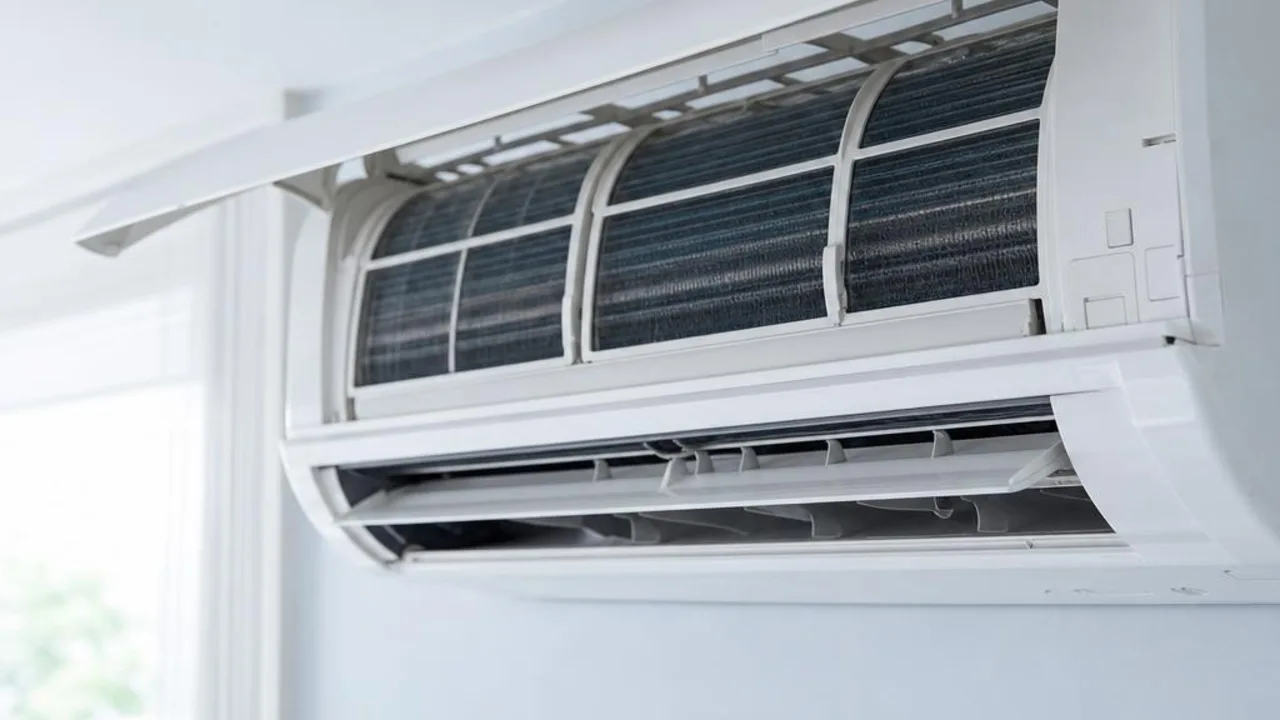
The AC filter plays an important role in filtering dust and dirt from the air. Regular cleaning helps ensure normal operation of the AC and good indoor air quality. First, locate the filter on the AC unit, usually behind the panel or front grille. Remove the filter and clean it according to the manufacturer's instructions. You can gently wash the filter with warm water and a mild detergent, then rinse it thoroughly with water. Make sure the filter is completely dry before reinstalling it in the AC unit.
Step 3: Clean the drain pipe
If there is a drainage issue, record where and when dripping occurs, and ask the service staff to check the pipe, drain pan, and other possible causes. Do not clear the blockage yourself, pour water in, or pour in cleaning chemicals; a product label saying it is suitable for air conditioners does not mean it is suitable for residents to use.
Step 4: Clean the exterior surface
The outer surface of an air conditioner may have dust, dirt and stains. You can wipe the exterior with warm water and a mild detergent. Avoid using an overly wet cloth or allowing water to enter the interior directly. Please note not to use cleaners containing alcohol or corrosive chemicals, as they may damage the casing.
Step 5: Reassemble and test
After all parts have been cleaned and dried, reinstall the filter and other removed components. Make sure all parts are fitted correctly to ensure normal operation of the air conditioner. Then plug it into the power socket, turn on the air conditioner, and test its operation. Make sure it cools properly and there are no unusual noises or faults.
Only handle filters and external surfaces that the manufacturer allows to be removed and washed. Drainage, electrical parts and internal work must be confirmed separately. Keep usage and abnormality records; if the source is unclear, do not dismantle and clean or keep testing repeatedly. Cleaning also does not guarantee fixed energy savings, longer service life, or healthy air throughout the home.
Find professional help
Cleaning a home air conditioner requires the right skills and tools to ensure safety and good cleaning results. Engage a professional team that can provide expert service and help keep the unit operating properly.
Related reading and services


Want to arrange AC cleaning or maintenance?
OPOExpert Air Conditioning provides residential and commercial AC cleaning and maintenance with clear pricing. Enquiry first or book online directly