
How often should a split AC be cleaned? Assess the best cleaning frequency from usage habits
Contents
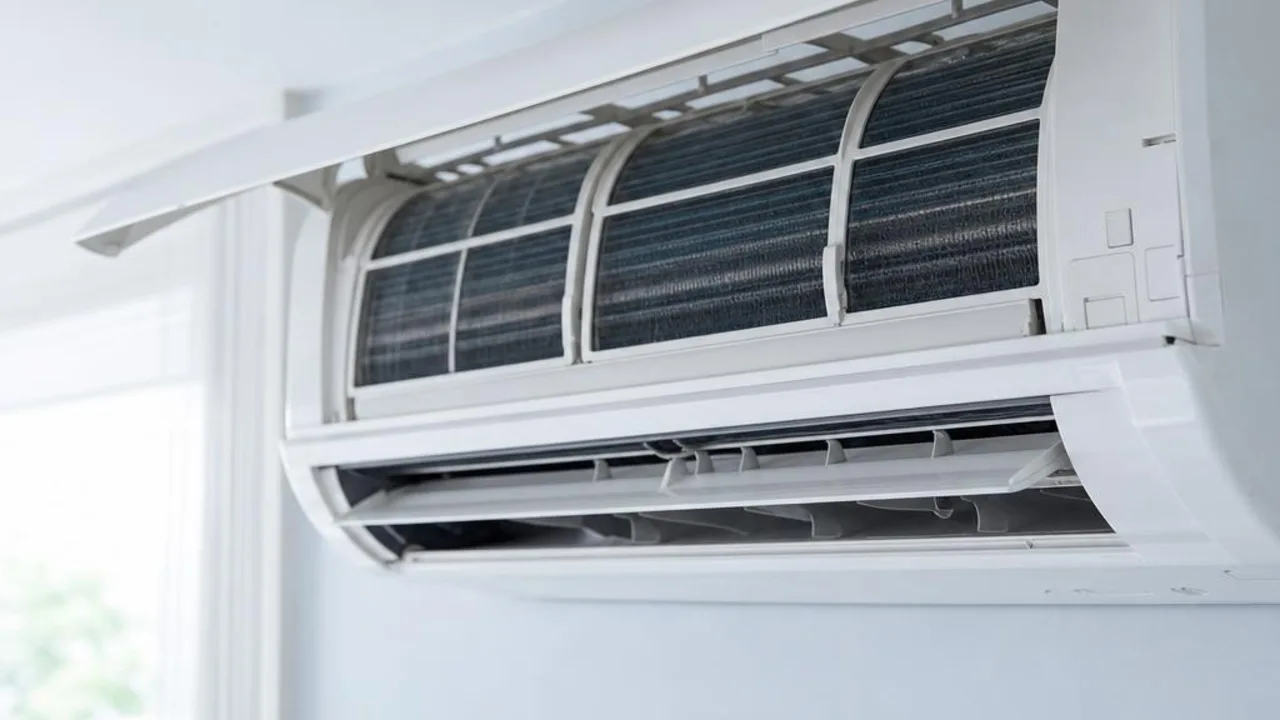
Split ACs are now an essential appliance in many homes, but as use continues, dust and hair can easily accumulate inside the unit and mould may grow. Many people only think about cleaning when the AC starts to smell, leaks, or cools less effectively. In fact, the cleaning frequency of each AC is not fixed; it is closely related to personal habits, the living environment and how long the unit is used each time. Assessing the most suitable cleaning cycle from daily habits helps maintain indoor air quality and keep the appliance in good operating condition.
Users who rely on it heavily and run it for long hours every day
For families in Hong Kong’s hot summer that need the air conditioner running around the clock for more than eight hours a day, or heavy users such as people working from home or households with elderly people and infants, the volume of air circulating inside the unit is very large. Under this high-intensity use, the evaporator and blower wheel remain damp for long periods, making mould growth and dust adhesion more likely. For such high-use households, arranging a deep clean every six months may be an ideal schedule, helping maintain good cooling performance during peak electricity demand periods.
Seasonal users who only switch on the unit on summer nights
If you usually only use the air conditioner from June to September each year, and only at night when sleeping, keeping it off for the rest of the year, this is considered a light to moderate usage pattern. Although the amount of dust accumulated is relatively small, Hong Kong's humid spring and summer weather means that moisture left inside the air conditioner during long periods of inactivity or intermittent use may still cause mould growth. For this seasonal usage pattern, it is usually recommended to arrange a thorough cleaning and maintenance before starting to use it each summer, or before a long period of non-use in autumn.
Households with pets such as cats and dogs
For households with pets, more environmental factors need to be considered when assessing how often AC cleaning is needed. Tiny cat and dog hair and dander circulate in indoor air and are easily drawn into the unit by the strong suction of split-type air conditioners. Even with a filter in place, fine dander and statically charged hair may still get into the gaps between the aluminium fins and the blower, which can block air passages, cause odours and become a breeding source for mould. As a result, homes with pets often need shorter cleaning intervals. In addition to cleaning the filter more frequently, more deep cleaning may also be considered.
Impact of the surrounding environment and air quality on residential premises
In addition to indoor usage habits, the external environment of the premises is also a key factor in how quickly an air conditioner gets dirty. If a home is close to major roads, construction sites, or low-floor units with plenty of plants and flowerbeds outside the windows, airborne particles and dust can easily enter through gaps around doors and windows and be drawn into the AC. Also, if the AC is installed near the kitchen, cooking fumes that are drawn into the unit can mix with dust and form stubborn greasy buildup that is difficult to clean. In these specific environments, regularly checking the cleanliness of the air outlet and arranging cleaning when needed is an effective way to help keep the air fresh.
Warning signs for routine checks and arranging deep cleaning
No matter how often you use it, an AC unit often gives small warning signs when it needs cleaning. For example, if the air from the AC has a musty or earthy smell, if small black mould spots appear on the fan blades at the outlet, if the airflow becomes uneven, or if it still does not feel cool enough even after lowering the temperature, these may be signs that dirt has built up inside to a certain extent. Paying attention to these small changes in daily use and dealing with them promptly when symptoms appear can help prevent the problem from getting worse.
Seek help from a professional team
The internal structure of a split AC is relatively delicate, involving a circuit board, motor and a complex drainage system. While the resident can clean the filter themselves on a daily basis, removing dirt and mould deep inside the blower wheel, water tray and aluminium fins usually requires professional AC cleaning technicians. Choosing a professional team to use specific protective covers and equipment for deep cleaning can help restore the unit's performance without damaging parts.
Related reading and services


Need professional help?
Need to know about Residential air conditioning service? First check the service scope and arrangements, then provide the model and site details for enquiry