
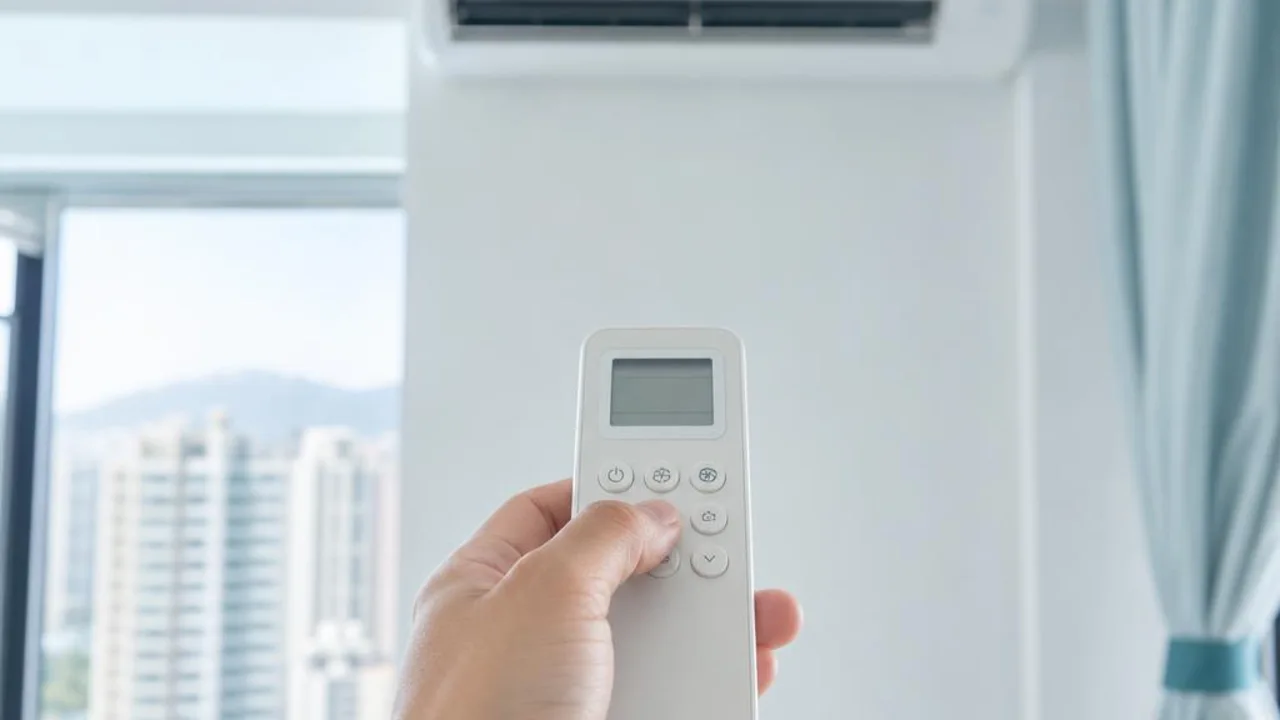
Is AC dry mode cooler than cooling mode? Mode-switching advice in high-humidity weather
Contents
When spring turns to summer in Hong Kong, or during the muggy rainy season, the air is always filled with sticky humidity. Even when you step into an air-conditioned room set to 25°C, it can still feel stifling. A common saying goes: “Dry mode uses less electricity and feels cooler than Cool mode.” But is that scientific fact or an urban myth? In extreme weather with high humidity and high temperature, how should you switch AC modes to achieve the most comfortable feeling? Below, we break down the operating principle of the AC unit and the best usage strategy in humid weather.
The truth: is Dry mode really cooler than Cool mode?
To answer this question, you must first understand that the human perception of temperature is not determined by air temperature alone, but by "felt temperature", and humidity is the core factor affecting it:
- How the body releases heat: When humidity is high, sweat on the skin surface cannot evaporate effectively, heat cannot dissipate, and people feel hot and sticky.
- How dehumidify mode works: when you select dehumidify mode, the air conditioner compressor and fan run at low speed, allowing moisture in the air to condense into water droplets on the cold evaporator and be drained away. Because the airflow is slow, its main purpose is to "draw moisture out of the air" rather than significantly lower the room temperature.
- How cooling mode works: cooling mode uses strong operation to quickly remove heat from the room and lower the temperature.
- Conclusion: In terms of immediate comfort alone, cooling mode lowers the temperature much faster than dehumidification mode. However, on days when relative humidity reaches 80% or above, dehumidification mode can indirectly help sweat evaporate from the body faster by reducing humidity, creating a sense of "dry coolness".
Mode switching makes a big difference: when should you use "Cooling"? When should you use "Dry"?
Different weather conditions and indoor needs require different operating modes. Do not use one approach for everything:
- Hot and dry days (suitable for cooling mode): When the outdoor temperature reaches 32°C or above and humidity is relatively low, you should switch directly to cooling mode and use a fan to speed up air circulation for a faster cooling effect.
- During humid seasons such as the south return wet spell, plum rain season, or periods of very high humidity (suitable for Dry mode): when the room temperature is not too high (for example 26°C), but the humidity makes your skin feel sticky, turning on Dry mode can effectively reduce indoor moisture and help prevent damp walls and mould on furniture.
Common myth: “Dry mode uses less power than cool mode” — is that wrong?
Many people wrongly believe that dehumidify mode must be more energy-efficient because the fan speed is slower and the temperature setting is higher. In fact, this is a dangerous misconception:
- The hidden cost of continuous compressor operation: to keep condensing moisture from the air, the compressor in dehumidification mode often needs to run for a long time, or even continuously.
- Electricity use may be higher in the long term: if dehumidification mode is left on blindly for a long time, especially when the temperature is already comfortable enough, the total electricity consumption may easily be higher than cooling mode set to a suitable temperature (such as 25°C - 26°C).
- The most energy-efficient high-performance combination: modern inverter air conditioners automatically switch to low-frequency operation after the room temperature reaches the set temperature in cooling mode, giving excellent dehumidifying and energy-saving performance. Rather than forcing dehumidification mode, set the AC to 25°C to 26°C with inverter cooling and a Grade 1 energy label for comfort and lower electricity use.
Daily tips to improve AC efficiency and keep indoor air dry
In addition to blindly switching modes, combining the following daily habits can make an air-conditioned room more comfortable on humid days:
- Make good use of a standalone dehumidifier: if indoor humidity stays high for a long time, relying only on the air conditioner's dehumidifying function not only adds load, but may also make the room too cold. In that case, let a dedicated dehumidifier handle the moisture, while the air conditioner controls the temperature.
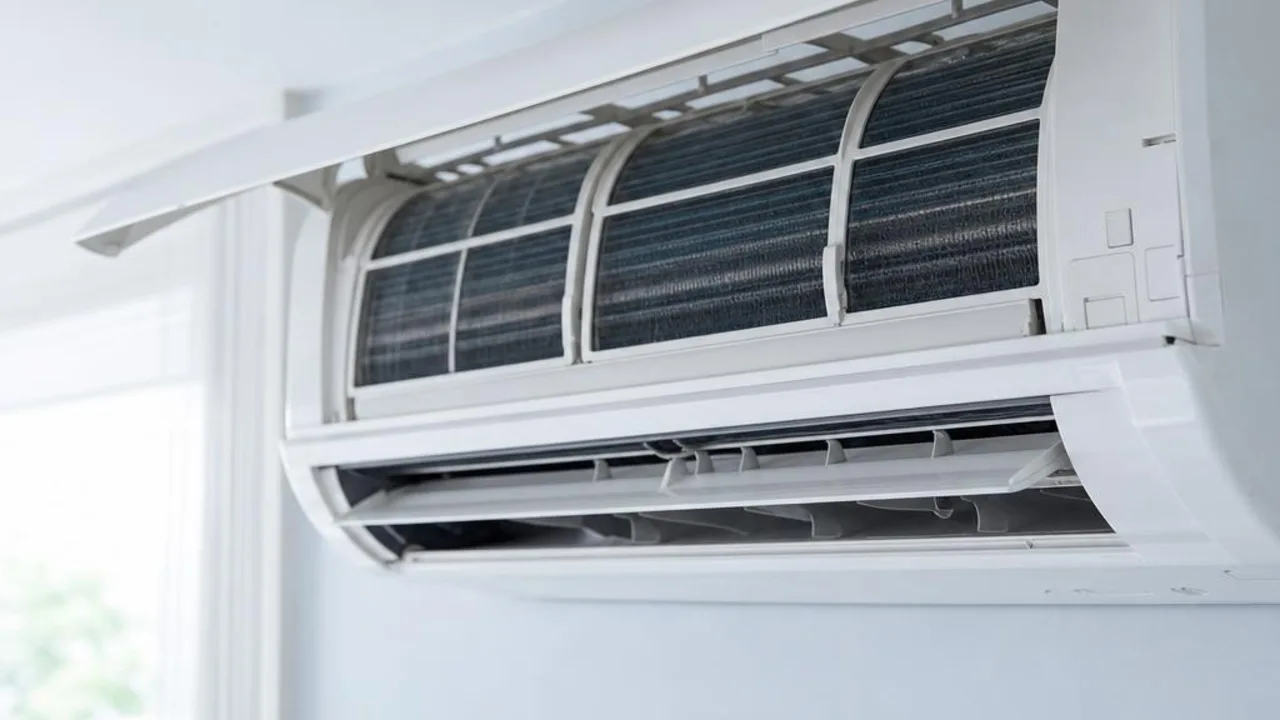
- Regular filter cleaning: If the AC filter is full of dust, it will seriously obstruct airflow, greatly reduce dehumidifying and cooling efficiency, and even increase electricity consumption.
- Avoid frequent manual mode switching: frequently switching between cooling and dehumidifying forces the compressor to start and stop repeatedly. This not only uses more electricity, it also speeds up part wear.
Seek help from a professional team
If your home AC becomes not cold enough, gives off an odour, drips water, or even freezes frequently when using dehumidify or cooling mode, manual mode adjustments alone will no longer solve the problem. When the AC system’s performance declines or internal piping is blocked, seeking help from a professional AC cleaning team is the right solution. Professional technicians can carry out deep cleaning, check refrigerant pressure, and inspect for electrical risks, helping your AC maintain normal performance.
Related reading and services
Want to arrange AC cleaning or maintenance?
OPOExpert Air Conditioning provides residential and commercial AC cleaning and maintenance with clear pricing. Enquiry first or book online directly