
Air outlet dripping: what else should be checked besides drainage blockage
Contents
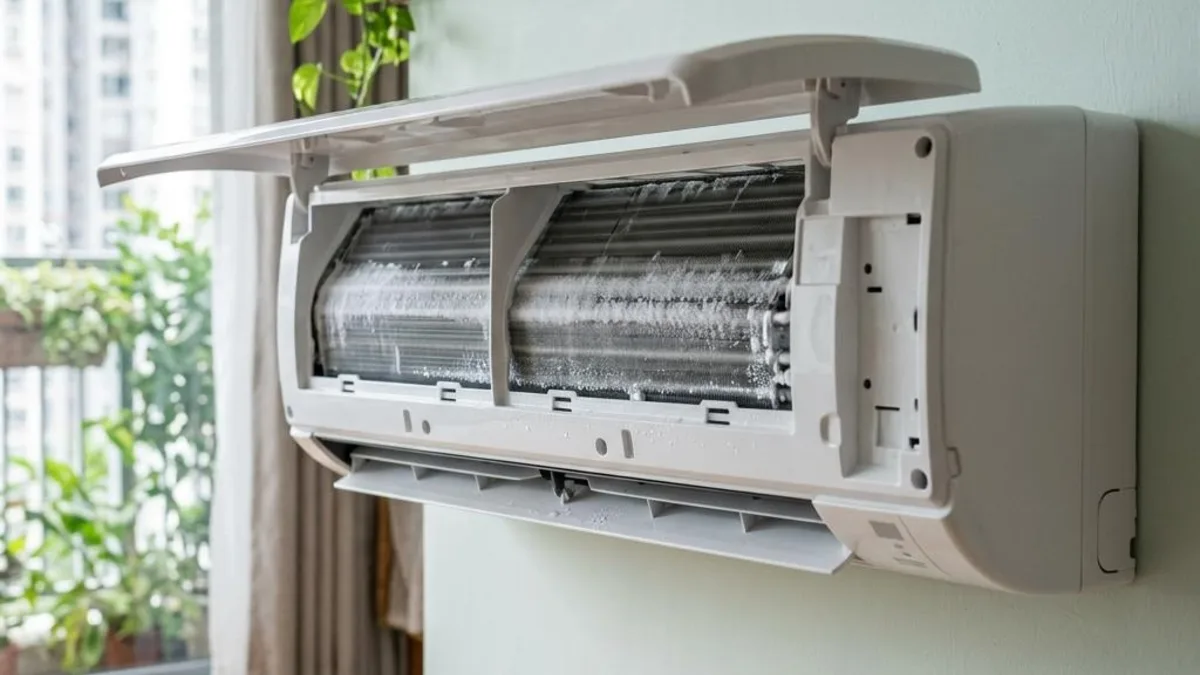
In the hot and humid summer, air conditioning is an important appliance for Hong Kong residents to maintain indoor comfort. However, while enjoying the cool air, many households occasionally face the awkward situation of water suddenly dripping from the AC vent. When this happens, many people panic and assume that a core part of the unit is damaged. From the physics of appliance operation, dripping from the air outlet is often not a serious mechanical fault; the main cause is usually too much dirt accumulated in the internal drain pan, which creates a temporary physical blockage in the drainage system.
How condensate is produced and the physical mechanism of normal drainage
During the cooling and temperature-control process, warm and humid indoor air is drawn into the unit. When the air comes into contact with the cold evaporator coil, the water vapour in the air instantly condenses into droplets. Under normal design conditions, these continuously formed droplets slide down the coil, collect in the drain tray below, and are then smoothly discharged outdoors through the connected drain pipe, achieving both dehumidifying and cooling effects.
How dirt buildup leads to drain pan blockage
However, the air is commonly filled with fine dust, lint, skin flakes and cooking fumes. When these impurities pass through the filter and mix over time with the condensate in the drain tray, they gradually form a sticky black layer, like a gel. As time goes on, this residue builds up at the drain outlet under the force of the water flow, or it directly blocks the small drain pipe. When the drainage channel’s capacity is greatly reduced, condensate that cannot drain away in time overflows from the tray and eventually drips out of the outlet through the air duct.
Remove grime from the drain tray for a fresher result
If checks confirm a drainage blockage, even after dealing with the relevant area you still need to verify drainage, insulation and test-run conditions. Ice formation, installation, pipework or other causes may not all be resolved at once, and one coil cleaning cannot guarantee that all dripping will disappear; before the cause is identified, stop using the unit and avoid water near electrical parts or wetting the site.
Optimise overall operating efficiency and extend appliance lifespan
Thoroughly clearing the drainage system also significantly improves air conditioner operation. When the drain tray stays clear and unobstructed, it can effectively prevent internal electronic parts from getting damp due to trapped water and avoid extra running load on the compressor. A good operating cycle allows the appliance to keep running more easily.
Seek help from a professional team
If there is dirt buildup, blockage, or dripping in the water collection and drainage section, the service staff should first identify the cause before confirming the scope of cleaning, extra clearing, or repair. Damage to the existing drain pan, pipework, or installation problem cannot be guaranteed to be fixed by cleaning alone; residents should not dismantle pipes or clear them with tools themselves.
Related reading and services
- Related service scope and current charges
- Back to AC encyclopedia
- www.shunhing-service.com
- Indoor Air Quality Information Centre: Mould and Moisture Control
Need professional help?
Need to know about Residential air conditioning service? First check the service scope and arrangements, then provide the model and site details for enquiry