
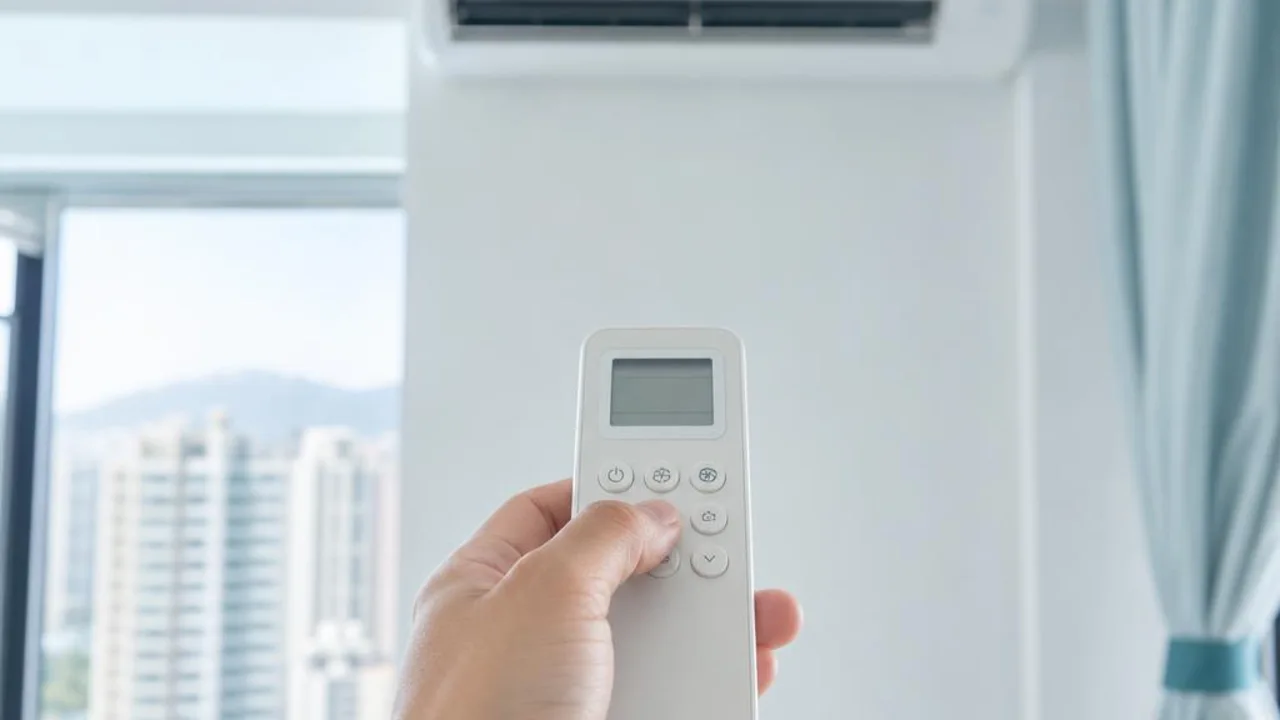
Does AC auto mode really save electricity? Debunking the electricity-saving myth of AC auto mode
Contents
In the hot summer, air conditioning is definitely a lifesaver for Hong Kong households, but the resulting high electricity bill is often a headache. Many people have heard that setting the AC to auto mode is the most energy-saving option, but is that really true, or just an urban myth? Why does a room sometimes still feel "not cold enough" when auto mode is on?
Using the right AC settings can significantly reduce household costs and extend the life of the unit. Below, we break down the principle behind AC auto mode and show you the smartest way to enjoy comfortable cooling.
How does AC auto mode work?
The meaning of Auto depends on the model: it may mean automatic operating mode, or it may only refer to automatic fan speed. For inverter units, compressor load and the indoor fan can be adjusted by different control logic; you cannot judge the compressor frequency or guarantee energy savings from a single Auto icon.
- Rapid cooling stage: when first switched on, the indoor temperature is relatively high, so the system automatically switches to "strong fan" and runs the compressor at full speed, aiming to bring the room temperature down to the target as quickly as possible.
- As the set temperature is approached, some models reduce fan speed, lower compressor output, or pause part of the operation, while others continue to blow air; please refer to the manual for that model, and do not apply one control method to all air conditioners.
This smart 'on-demand distribution' adjustment can not only prevent the compressor from running under overload for long periods, but also effectively reduce unnecessary power consumption.
Why does the auto mode of the AC feel less cool?
Many parents and people who dislike heat say that after switching to AC auto mode, they often wake up hot in the middle of the night and feel the AC is not cold enough or the room feels stuffy. This is actually related to the automatic reduction in airflow.
- Poor air circulation: when the room temperature reaches the set level, the AC fan speed automatically slows down, preventing cool air from circulating effectively in the room. This can easily create hot and cold spots, especially in larger living rooms or bedrooms with a lot of clutter.
- Differences in how the body feels: Still air reduces the evaporation of sweat on the body surface, making the perceived temperature higher than the actual room temperature.
Improvement suggestion: When using auto mode, it is strongly recommended to use it with a circulation fan or a regular fan. Position the fan facing away from the AC outlet to spread the cool air that settles lower down evenly throughout the home. This keeps the energy-saving advantage of auto mode while greatly improving the felt cooling effect.
The ultimate electricity-saving tip for using inverter AC with auto mode
If your home uses a new inverter air conditioner, congratulations: pairing it with auto mode will deliver the greatest energy-saving potential. Traditional fixed-speed air conditioners can only control temperature by being either fully on or fully off, and are extremely power-hungry at start-up; inverter air conditioners can adjust the compressor speed smoothly.
To achieve the ultimate energy-saving effect, remember the following golden rules:
- A setting between 25°C and 26°C is generally appropriate. Raising the set temperature may help reduce energy use, but the actual savings depend on the environment and model.
- Avoid frequent on/off switching: an inverter air conditioner uses the most power in the first half hour after startup. If you are only leaving the room briefly (for example within 1 hours), keeping the air conditioner on and setting it to auto mode is definitely more energy-saving than turning it off and restarting it.
Common misconceptions about air conditioner fan speed settings
There is a major misconception: that setting the AC fan speed manually to the lowest setting (gentle breeze) will save electricity. In fact, this is the wrong way round!
- Too little airflow, blocked supply air, or a higher room heat load may all slow cooling; without measured conditions, you cannot say it will definitely be slower by several times. First check that the return air and supply air are not blocked, then choose a suitable fan speed according to the manual.
- Auto mode is the smartest: trust the unit's temperature-sensing system, and let AC auto mode automatically balance between "rapid cooling" and "constant-temperature energy saving". That is the most cost-effective choice.
Seek help from a professional team
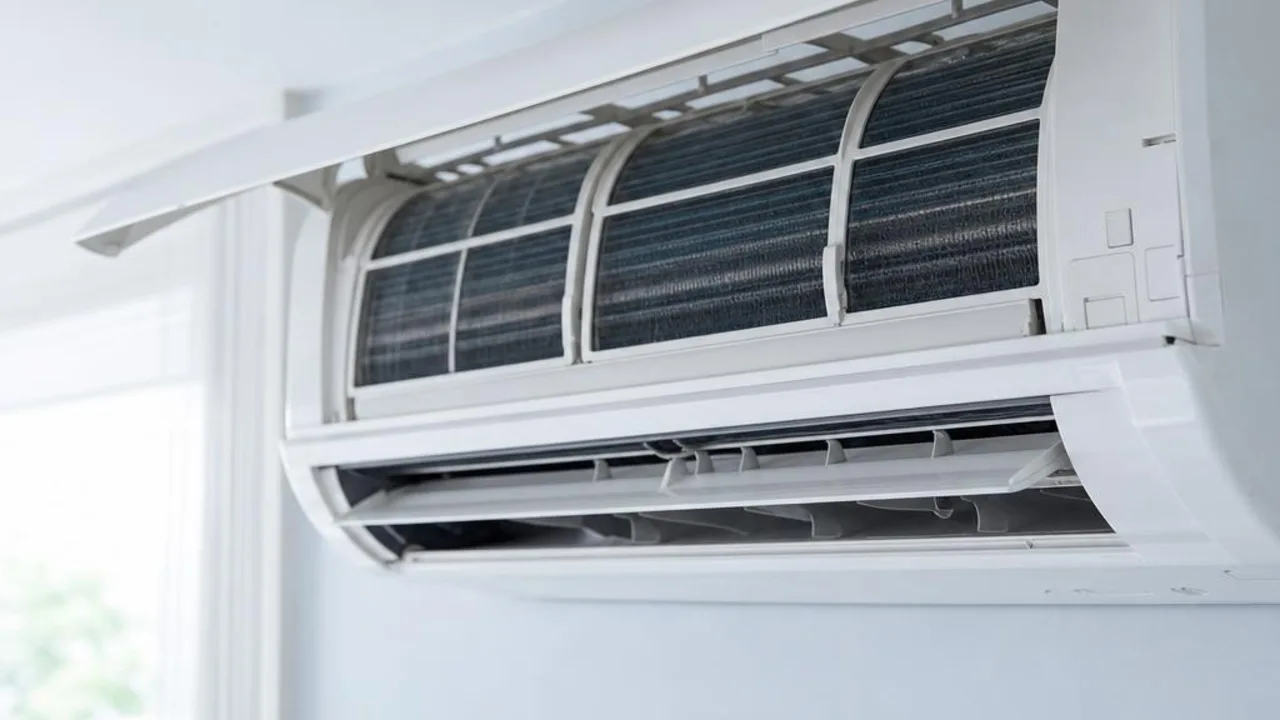
Sometimes, even if you have set everything correctly, lowered the temperature, and kept the AC on auto mode for a long time, the room still feels stuffy and not cool, and your electricity bill may even go up instead of down. This usually means a large amount of stubborn dust has built up inside the unit, blocking the filter, evaporator coil, or drain pipe; or there may be hidden issues such as ageing parts or refrigerant loss.
If the room still feels stuffy, or the electricity bill is unusually high, it may indicate dust buildup inside the AC or ageing parts. It is recommended to arrange for a professional engineering team to inspect and clean the unit thoroughly, removing dust inside and restoring normal performance. This is the proper way to ensure home comfort.
Related reading and services
Want to arrange AC cleaning or maintenance?
OPOExpert Air Conditioning provides residential and commercial AC cleaning and maintenance with clear pricing. Enquiry first or book online directly