
It’s uncomfortable when the AC blows directly at the bedhead: airflow direction and sleeping environment
Contents
On summer nights, many Hong Kong residents face an awkward layout problem when trying to sleep: because bedroom space is limited, the bedhead is often right under or directly opposite the air conditioner. When you are asleep in the middle of the night, if the strong airflow blows directly at your head, you may wake up the next day with a tight head, a dull temple ache, or even a stiff neck and shoulders. Many people think this is just an early sign of a cold, but from the perspective of microcirculation and airflow physics, direct cold air can actually irritate local nerves and muscles. By mastering a few simple methods to adjust the air deflector angle and improve indoor circulation, you can effectively improve night-time sleep comfort.
Causes of local vasoconstriction and the physical stimulus of direct cold airflow to the head
To understand the mechanism behind headaches caused by direct AC airflow, you first need to understand the sensitivity of the scalp and facial nerves to temperature changes. When the AC airflow blows directly at the head for a long time, the strong cold air quickly removes heat from the skin surface, causing local capillaries and muscles to contract sharply in response to the cold. This sudden and continuous low-temperature stimulus keeps the muscles around the scalp and neck in a tense state for a long time, which in turn compresses nerves and triggers vascular spasm. This is a common physiological reason why many people wake up with headaches or migraines. In addition, if the skin is damp from sweating during sleep, the continuous evaporation caused by the cold air further intensifies the local cold sensation from the temperature difference, leaving the body under unnecessary physical stress without noticing it.
Debunking myths about louvre angle adjustment and room air circulation
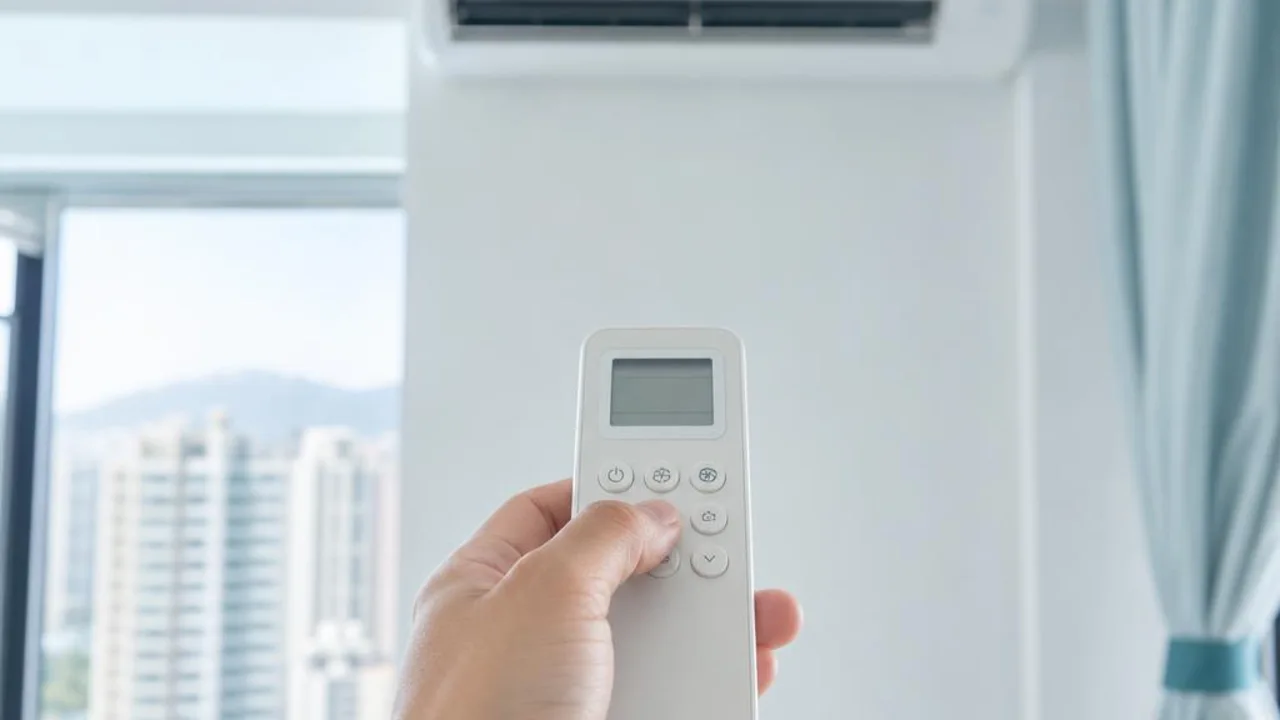
Another common myth is that simply lowering the airflow direction on the remote, or moving the louvres at random, can completely solve the problem of direct blowing. In fact, if the room is small, blindly pointing the louvres downward may avoid the bedhead, but it can sometimes send cold air directly toward the chest or abdomen, which can still cause stomach discomfort or chills. A better approach is to use the automatic up-and-down and left-and-right swing functions, or set the louvres to a slightly upward horizontal angle so the cold air first spreads upward and then naturally sinks due to gravity. This gentler airflow helps avoid direct blowing while keeping the room temperature even.
Key self-check points for airflow direction in the sleeping environment
Before adjusting the air conditioner settings or rearranging bedroom furniture, users may wish to carry out a simple self-check first to objectively understand the current environment. First, observe which part of the body feels uncomfortable when waking up. If the discomfort is concentrated on one side of the head, shoulders or face, it usually suggests a problem with the direction or angle of the air flow at night. Second, check the relative position of the bedside and the air conditioner. If conditions allow, shifting the bed by a few dozen centimetres to avoid direct airflow from beneath the air conditioner often improves the problem from the root. Also pay attention to whether dust buildup on the filter is causing local airflow to become too strong or skewed to one side. Through these detailed self-checks, the source of discomfort can be identified more accurately.
Balancing Sleep Health and the Use of Wind Deflectors
In addition to manually adjusting the airflow direction on the AC remote, various AC wind deflectors or airflow covers are also commonly available on the market. When considering whether to install these accessories, users may wish to make an objective cost-benefit assessment. On the one hand, a deflector can effectively block cold air from blowing directly at you and allow airflow to spread more gently throughout the room. On the other hand, if the deflector is not installed securely, or drips due to long-term condensation, it can create extra maintenance trouble. At the same time, if the angle is set improperly, it may also obstruct the AC’s normal return airflow and cause inaccurate temperature sensing. Overall, choosing a suitable deflector material and ensuring it is installed securely is a more practical way to balance sleep comfort and AC performance.
Seek help from a professional team
Although adjusting the angle of the air deflector or adding anti-draught accessories can improve direct airflow to some extent, if the AC’s airflow motor is damaged or the louvers cannot move properly, for example if they are stuck at a fixed angle, it is difficult to change the airflow direction through normal remote-control operation. If the airflow direction becomes completely uncontrollable or is accompanied by mechanical noise, it often indicates that the internal structure needs professional repair. Choosing an experienced professional AC engineering team that provides an objective assessment of the unit’s condition beforehand can help ensure all air-supply functions return to normal, so you can enjoy a quality sleep environment without airflow disturbance.
Related reading and services
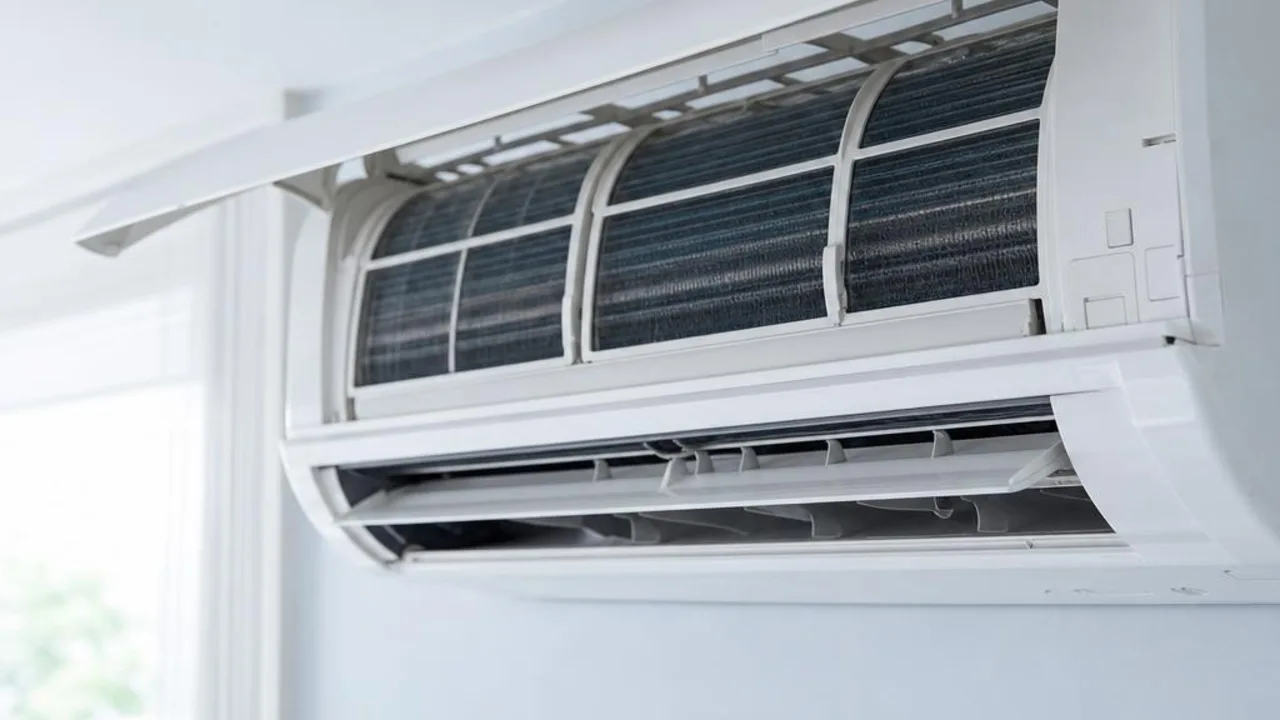
Want to arrange AC cleaning or maintenance?
OPOExpert Air Conditioning provides residential and commercial AC cleaning and maintenance with clear pricing. Enquiry first or book online directly