
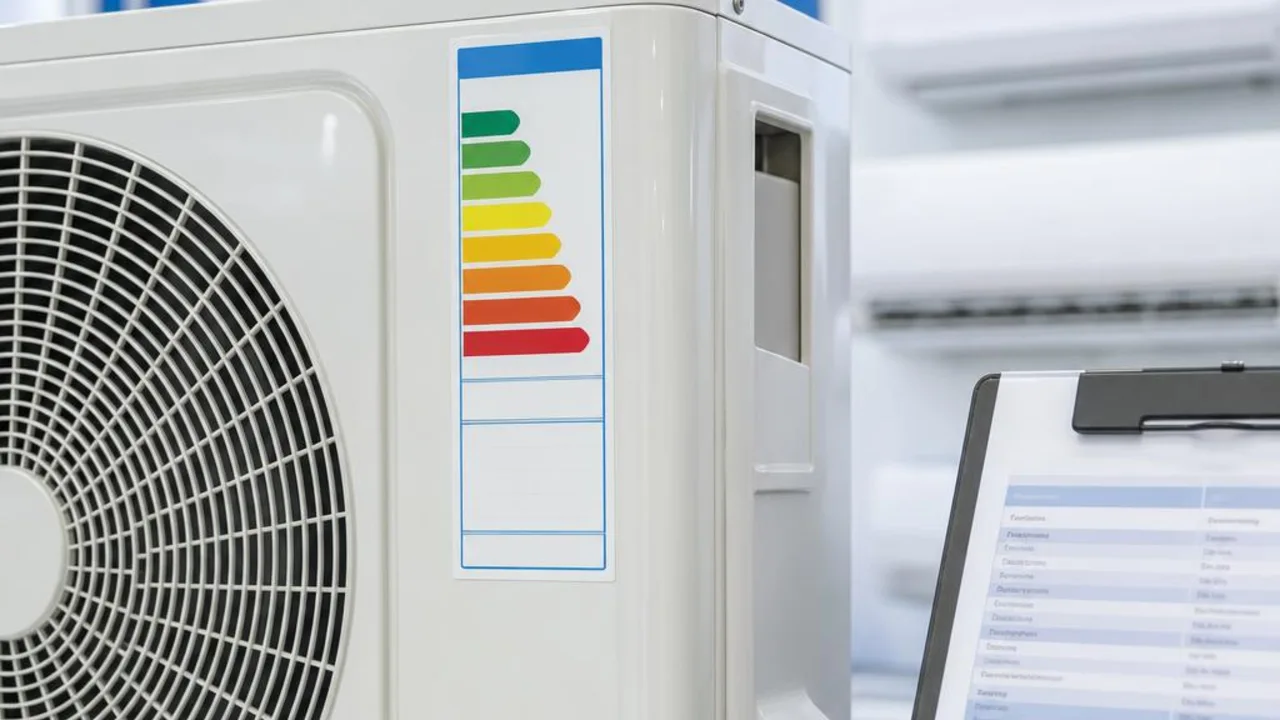
Higher electricity bills: dust filter maintenance and other inspection directions
Contents
When the summer heat in Hong Kong is unbearable, having the air conditioner on all day is almost a must. However, when many residents receive their latest electricity bill, they are often shocked: even though their air-conditioning habits have not changed much, the amount has inexplicably increased, and some even find the room getting hotter and stuffier the more the air conditioner blows. This costly and frustrating electricity trap is often caused by the overlooked problem of dust accumulation on the air-conditioner filter. When a thick layer of dust blocks the air inlet, it not only severely reduces cooling efficiency, but also forces the compressor to run under long-term overload, silently putting a heavy burden on household finances.
Why does dust build-up on the filter make the electricity bill suddenly soar?
To understand why electricity bills surge, first look at the heat exchange process when the air conditioner is running. Once the air conditioner starts, indoor air is drawn into the unit through the dust filter, cooled, and then sent back into the room. If the dust filter is left uncleared for a long time and becomes packed with thick dust, airflow will be greatly reduced. This prevents the evaporator from effectively absorbing room temperature, and in order to reach the set temperature, the system will automatically determine that it needs to increase power and keep running strongly. This excessive consumption keeps the compressor under heavy load for long periods, directly turning into high monthly electricity costs.
What hidden damage can result from ignoring AC cleaning?
The impact of a dusty filter is often more than just a higher bill; it can also cause a chain reaction of damage to the air conditioner itself. The first hit is a noticeable drop in cooling performance: even when the temperature is set to the lowest level, the room still takes a long time to cool down. Next, dust on the mesh mixes with indoor moisture, which can encourage bacteria growth and produce a musty smell, affecting indoor air quality and even triggering respiratory sensitivities. Worse still, components running for long periods at high temperatures with poor heat dissipation will age faster, significantly shortening the unit's lifespan.
What are the practical steps for removing and washing the dust filter yourself?
Regular cleaning of the filter is the most cost-effective daily maintenance method. Residents may wish to try the following safe, practical steps:
- Switch off the power for safety: before starting any dismantling, be sure to turn off the air conditioner’s main power supply and unplug it to ensure electrical safety during the work.
- Carefully remove the dust filter: according to the design of the air conditioner, gently open the front panel and smoothly pull out the two dust filters on the left and right, avoiding deformation caused by pulling.
- Gently rinse off surface dust: Use a shower head and clean water to gently rinse from the back of the dust filter, washing out dust from the mesh. Do not use very hot water or scrub hard.
- After fully air-drying, reinstall: place the cleaned dust filter in a cool, shaded area until completely dry, and only refit it into the unit after all moisture has evaporated.
How can you maintain peak AC performance through daily protective habits?
In addition to regular cleaning, good daily usage habits are equally important for maintaining long-term air conditioner performance. During peak summer periods, residents may consider shortening the cleaning interval, for example checking and cleaning the dust filter every two to four weeks, especially for households with pets or those near busy roads. At the same time, avoid setting the temperature too low for long periods, and use a fan to promote indoor air circulation to effectively reduce the ongoing load on the compressor.
Seek help from a professional team
Although regularly cleaning the dust filter yourself can improve ventilation and cooling efficiency to some extent, if the indoor condenser coil, blower wheel, or internal parts have already accumulated thick, stubborn grease and mould, surface cleaning alone cannot fully solve the problem. If the AC is still not cold enough even after the dust filter has been cleaned, or if other abnormal conditions appear, it often indicates that deeper maintenance is needed. Choosing a professional AC cleaning team with extensive local hands-on experience can help ensure the equipment runs at its best, creating a comfortable and energy-saving home environment.
Related reading and services
Want to arrange AC cleaning or maintenance?
OPOExpert Air Conditioning provides residential and commercial AC cleaning and maintenance with clear pricing. Enquiry first or book online directly