
Is DIY cleaning enough? What is the difference between professional cleaning and daily cleaning?
Contents
After an AC has been used for some time, dust may build up on the filter, air outlet and inside the unit. Many people clean their AC regularly themselves, especially the filter and the casing. These actions help with daily maintenance, but they are still different from the scope of professional cleaning
Routine cleaning mainly covers surface areas
General DIY AC cleaning usually covers the filter, outer casing and air outlet surface. The filter is the most common cleaning area because it blocks some dust and lint. If the filter has not been cleaned for a long time, airflow may become weaker and the air conditioner may take longer to cool the room. When cleaning it yourself, it is recommended to turn off the power first, remove the filter and wash it gently, then reinstall it only after it is completely dry. The outer casing and air outlet surface can be simply wiped with a dry or slightly damp cloth
Professional cleaning addresses deeper areas
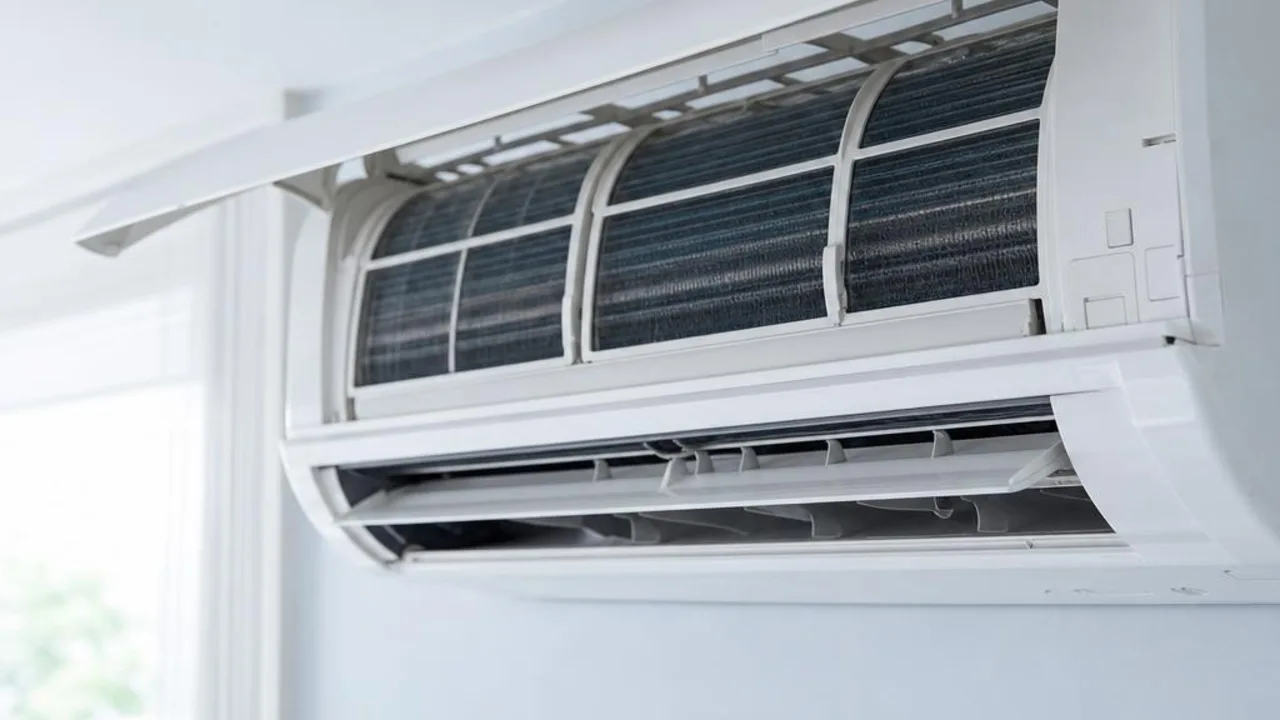
Professional AC cleaning generally does more than clean the surface. Depending on the AC type and site conditions, it also addresses deeper parts such as the evaporator, fan drum, drainage point, drain outlet and dust accumulation inside the unit. These areas are not always easy to access in daily use, and may not be suitable for disassembly without the right tools and experience. If the AC has not been cleaned for a long time, or has odour, dripping or weak airflow, cleaning the filter alone may not be enough
They serve different purposes
The purpose of routine cleaning is to keep the AC basically clean and reduce surface dust buildup. This type of cleaning is suitable for regular maintenance, such as washing the filter, wiping the casing and keeping the area around the AC dry. The purpose of professional cleaning is to deal with deeper dirt inside the unit, musty odours, dust and drainage issues. If there is already internal dust or dampness, professional cleaning is more targeted. In short, routine cleaning is more about maintenance, while professional cleaning is a more thorough clean.
When can you clean it yourself first?
If the AC is working normally and the filter only has a small amount of dust, you can start with basic cleaning yourself. For example, if the AC is still cooling well, has no obvious smell, no dripping water, and normal airflow, regular filter cleaning and wiping the casing is usually enough to keep it in basic usable condition. However, avoid using too much water when cleaning, and it is also not recommended to force open parts you are not familiar with, so as not to affect the AC or create safety risks.
When should you consider professional cleaning?
If the air conditioner shows the following signs, you may consider arranging professional cleaning or inspection: musty or dusty smell, noticeably weaker airflow, black spots at the air outlet, louder noise after switching on, dripping, or it has not been cleaned for a long time. These signs do not necessarily mean the unit is faulty, but they may be related to dust accumulation inside the unit, moisture, drainage issues or the drain pipe. Inspection by a professional team makes it easier to judge whether cleaning, maintenance or further repair is needed.
Different AC models may require different cleaning methods.
Window-type air conditioners, window-type split units, four-way cassette units and ducted air conditioners all have different structures. The dismantling and cleaning methods, cleaning scope and time required may also differ. As mentioned in reference articles, AC assessment should not rely on a single factor; it should also take into account room function, usage habits, window position and environmental conditions. Cleaning arrangements are the same and should be judged according to the model, installation location and usage conditions. Therefore, before booking, you can first provide photos of the air conditioner, the model and the recent issue so the service team can get a preliminary understanding of the situation
Things you can check before cleaning
Before deciding whether to clean it yourself or book a professional cleaning, you can first check the following areas: whether the filter has heavy dust, whether there are black spots at the air outlet, whether there is an unusual smell after switching on, whether the airflow is weaker than before, whether there are water marks near the unit, and whether the air conditioner is dripping water. If it is only surface dust, basic cleaning can be done first. If the problem persists, or if you are unsure whether the issue involves internal parts, you may consider seeking professional advice
A professional team can provide a more comprehensive assessment
Air conditioner cleaning is not just about wiping the surface clean. If the work involves internal areas, drain points, the fan drum, or the evaporator, suitable tools and protective measures are required. Professional teams generally arrange the appropriate cleaning method based on the type of air conditioner, installation location, age of use, and on-site conditions
Related reading and services


Need professional help?
Need to know about AC repair service? First check the service scope and arrangements, then provide the model and site details for enquiry