
Is your air conditioner getting louder? It may be related to cleanliness
Contents
Hong Kong's weather is hot and humid, and after long periods of AC use, louder noise is a situation many households encounter. Sometimes the AC can still cool, but the operating noise, vibration noise or airflow noise is noticeably louder than before, which may make people worry about a fault. In fact, louder AC noise does not always mean the unit is broken; it may also be related to dust build-up, blocked airflow, dirt inside the unit or insufficient routine maintenance. If the problem keeps happening, it is worth paying attention.
Dust buildup on the filter may reduce airflow
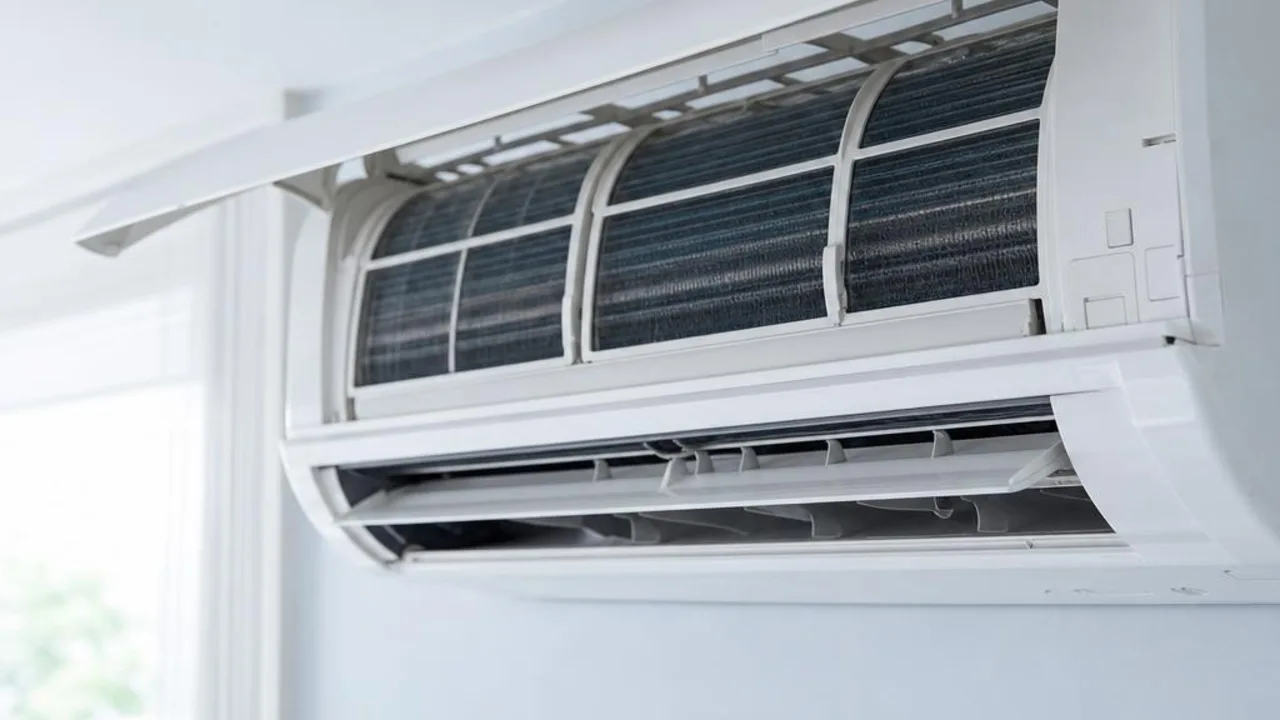
After some time in use, AC filters easily collect dust, lint and airborne particles. If the filter has not been cleaned for a long time, airflow may be affected, and the unit may need to work harder to blow air, making the noise more noticeable. This may not immediately affect cooling, but you may notice louder fan noise or less smooth airflow than before. In daily use, check the filter regularly. If there is a thick layer of dust on the surface, arrange a basic cleaning first.
Dirt build-up on the fan drum may affect rotation
The fan drum is an important part for sending out cool air. After long-term use, dust, skin flakes, and grime formed by moisture may stick to its surface. If dirt builds up unevenly, the fan drum may produce more noticeable airflow noise or slight vibration when rotating. This may not be fixed by cleaning the filter alone, because the fan drum is deeper inside and is not easy to clean in normal daily maintenance. If the AC also has weak airflow, a strong dusty smell, or black spots at the outlet, it may be worth checking whether deeper cleaning is needed.
The air outlet and louver area are worth checking
A louder air conditioner may sometimes be related to the air outlet, fan blade, or louver position. If there is dust near the outlet, or dirt on the fan blades, airflow may become less smooth and the wind sound may seem louder. If the louver is loose, stuck, or moving unevenly, it may also create noise during operation. When cleaning, you can check whether there are black spots, dust, or foreign objects near the outlet, but do not force open parts you are not familiar with, so as not to affect the unit’s operation.
Internal moisture and dirt may increase the load
Hong Kong is humid, so an air conditioner produces condensate during operation. If the inside stays damp for long periods, and dust and dirt accumulate, the evaporator, blower wheel and drain pan may become places where dirt builds up more easily. When internal airflow is obstructed, the air conditioner needs to run for longer, and the noise may become more noticeable. These problems usually do not appear suddenly; they build up gradually over time, so many people feel the air conditioner gets louder the more it is used.
Poor heat dissipation may also increase operating noise
A louder air conditioner is not always related only to the indoor unit. If dust or debris is blocking the area near the outdoor heat dissipation position, or if the ventilation environment is poor, the load on the air conditioner may increase and the compressor or fan may sound more noticeable. This is more common in hot weather, west-facing rooms, top-floor units, or when the air conditioner has been running for a long time. If the air conditioner takes a long time to cool the room while the noise also increases, pay attention to the heat dissipation area and the cleanliness of the unit.
Pay extra attention if dripping and odour appear at the same time
If the AC noise gets louder, and there is also dripping water, an unpleasant smell, weak airflow, or black spots at the air outlet, it should not be treated as ordinary noise alone. These signs may indicate dust build-up inside the unit, poor drainage, or moisture accumulation. AC problems sometimes appear as several small symptoms at once, for example the noise gets louder first, and then an odour or dripping water appears gradually. Paying attention to these changes early can help you decide whether cleaning or inspection is needed.
Installation location and years of use also have an impact
A louder air conditioner may also be related to installation position, component aging, or years of use, apart from cleanliness. If the installation position is unstable, the bracket is loose, or the unit vibrates, it may make more noticeable noise during operation. If the air conditioner has been used for many years, some parts may also become noisier due to natural wear. These situations may not be solved by cleaning alone, but cleaning and inspection can help determine whether the noise is related to dust buildup or blocked airflow.
Routine maintenance can reduce the build-up of problems
When using air conditioning on a daily basis, you can clean the filter regularly, keep the area around the air outlet clean, and avoid piling up clutter in front of the unit. If the outdoor unit or heat-dissipation area tends to collect dust, arrange an inspection as needed. Routine maintenance may not completely prevent all noise issues, but it helps reduce the buildup of dust, moisture and dirt, allowing the air conditioner to stay in a more stable operating condition.
Seek help from a professional team
If the AC noise continues to get louder, or there is also an unpleasant smell, dripping water, weak airflow, or black spots, it is recommended to seek help from a professional team for inspection. A professional cleaning team will generally check the filter, air outlet, blower wheel, evaporator, drip tray, drainage area, and heat dissipation condition according to the AC type, installation location, and site conditions. A louder AC does not necessarily mean the unit is broken, but the cause may involve dust build-up, obstructed airflow, dirt inside the unit, or other usage conditions. Timely inspection and cleaning can help prevent the problem from building up further.
Related reading and services


Need professional help?
Need to know about AC repair service? First check the service scope and arrangements, then provide the model and site details for enquiry