
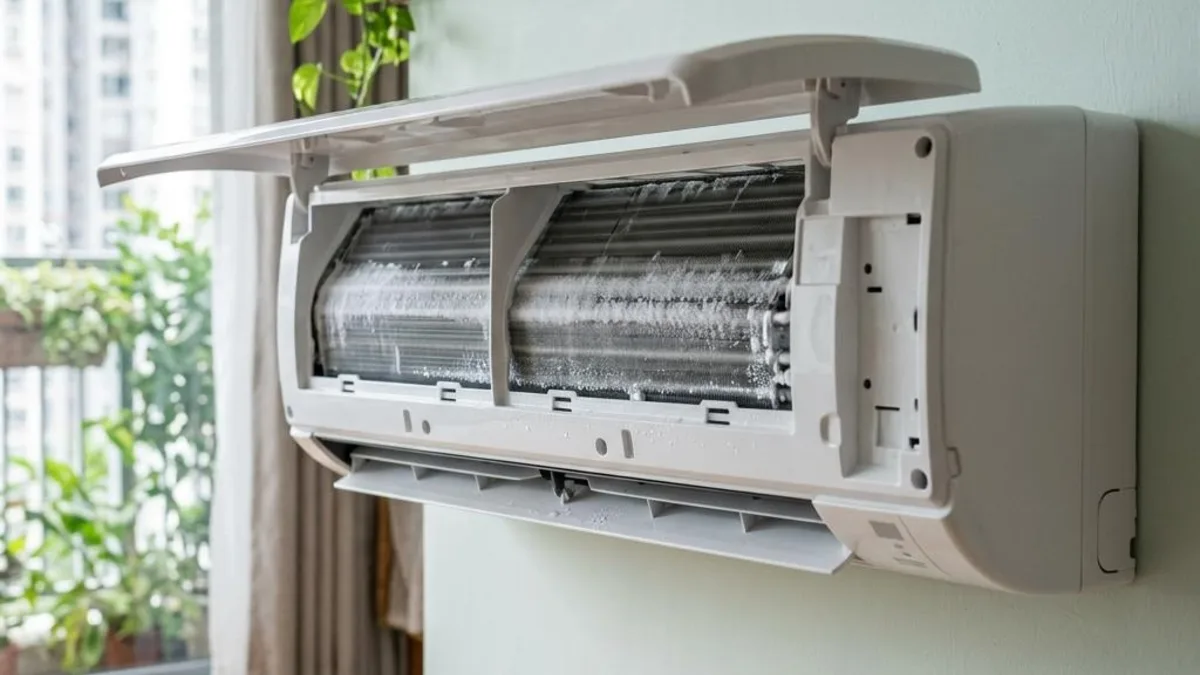
Causes and Solutions for AC Dripping
Contents
In the hot summer, air conditioners have become indispensable in our daily lives. However, many users often encounter the problem of water dripping from the unit, which not only affects performance but may also damage the indoor environment. Understanding the causes of water dripping and how to solve them can help us maintain the air conditioner better and ensure normal operation. This article will discuss the main causes of water dripping from air conditioners and the corresponding solutions.
Main Causes of AC Dripping
1. Drain pipe blockage
Condensed water inside the air conditioner must be discharged through the drain pipe. When the drain pipe is blocked by dirt, mould, or other debris, the condensate cannot drain properly and will eventually cause water dripping. This is one of the most common causes of AC dripping.
2. Condenser fault
Poor operation of the condenser and refrigeration system: if the cooling cycle is abnormal, condensate drainage may be affected and cause dripping.
3. Indoor temperature set too low
When the temperature setting is too low, especially in a high-humidity environment, a large amount of condensation can form. If the air conditioner cannot drain this water effectively, dripping will occur.
4. Improper installation
If the installation angle of an air conditioner is incorrect, it can affect condensate drainage. If the unit is installed too level, condensate will not flow into the drain pipe and will eventually cause dripping.
Method
1. Clear the drain pipe
Drainage problems should first be confirmed by service personnel to determine the cause and scope. Residents should not pour pipe cleaner, insert tools or use a pressure washer to clear the pipe. Cleaning, unblocking and repairing damaged parts are not the same job, so please confirm the quotation first.
2. Check the condenser
If you suspect the condenser is faulty, you can ask a professional technician to inspect and repair it. Regular maintenance and cleaning of the condenser can keep it operating normally and help prevent water dripping issues.
3. Adjust indoor temperature settings
Adjusting the temperature may improve comfort or reduce unnecessary overcooling, but 26 degrees is not a cure for dripping. Check the drainage, connections, insulation, icing, or installation issues; if water is near electrical parts, stop using it and arrange an inspection.
4. Install the air conditioner correctly
When installing an air conditioner, make sure the installation angle is appropriate, usually slightly tilted so that condensate can flow smoothly into the drain pipe. It is recommended to seek professional installation service to ensure accurate installation.
Find professional help
If the dripping water problem cannot be solved even after you have checked and maintained the AC yourself, it is recommended to find a professional AC repair team. They have extensive experience and professional knowledge, and can quickly diagnose the problem and provide an effective solution. A professional team can also carry out regular inspections and maintenance to ensure normal operation and extend the AC's service life.
Although AC dripping is common, finding the right cause and taking the appropriate solution can effectively prevent it from happening. Through regular maintenance, proper indoor temperature settings and correct AC installation, we can keep the unit running more stably. We hope this article helps you better understand the causes and solutions of AC dripping, thereby improving your quality of life.
Related reading and services
Need professional help?
Need to know about AC repair service? First check the service scope and arrangements, then provide the model and site details for enquiry