
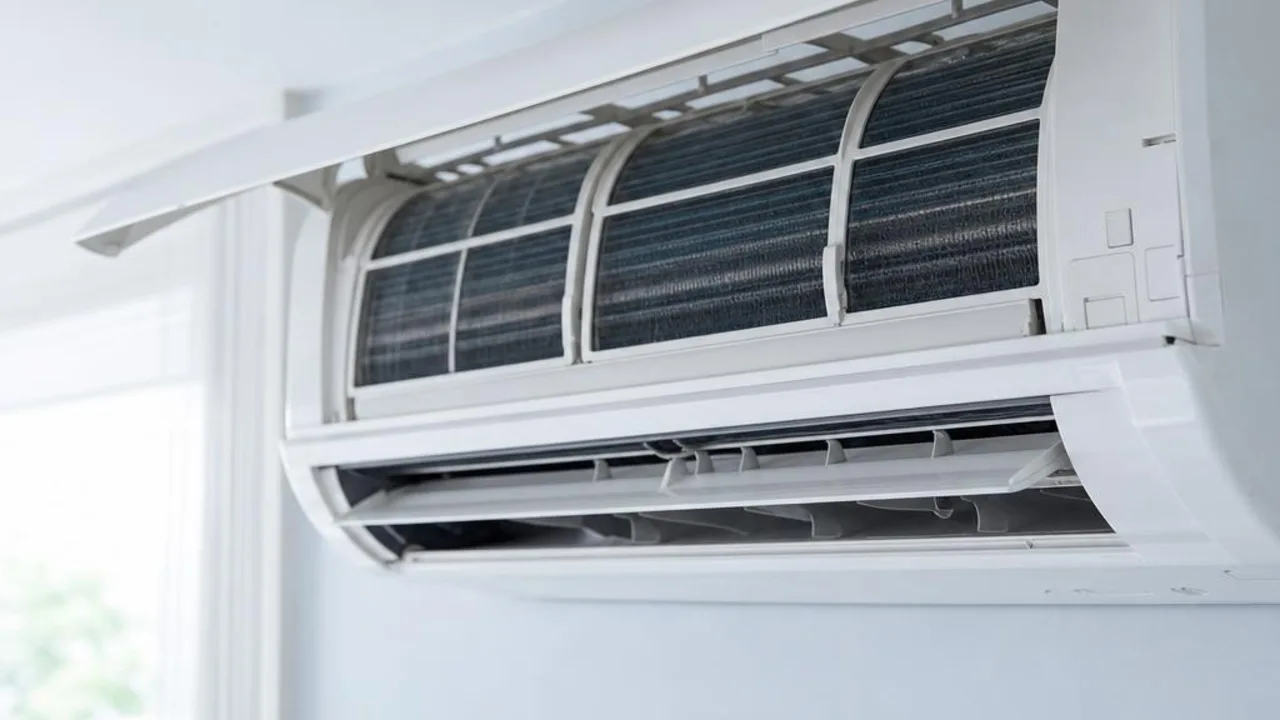
AC Cleaning Tips: Dealing with Dirt After Heavy Rain
Contents
After heavy rain, air conditioning equipment may accumulate dirt due to moisture. Rainwater and high humidity can not only affect operating efficiency, but may also cause dust and microorganisms to build up inside the unit. Proper cleaning is recommended to keep the system operating normally.
Inspect the exterior condition of the air conditioner
Before cleaning, first inspect the exterior condition of the air conditioner. After heavy rain, dust, leaves and other debris may accumulate on the outside of the unit, which can affect its operation. Use a soft cloth or brush to gently clean the exterior, especially the vents and heat exchanger fins, to make sure they are clear and unobstructed. This step should not be overlooked, as a clean exterior can improve the unit's operating efficiency.
Clean the Filter
Filters are among the components of air conditioning equipment most easily contaminated. After heavy rain, filters may collect dust and dirt due to moisture. Regular filter cleaning not only improves operating efficiency but also helps improve indoor air quality. After removing the filter, rinse it with clean water and add a small amount of neutral detergent if necessary, then rinse thoroughly with clean water. Make sure the filter is completely dry before putting it back into the air conditioner.
Inspect the condenser and evaporator
The condenser and evaporator are core parts of the AC system, and these parts can be affected by moisture and dirt. Use a soft cloth to gently wipe the condenser surface and remove any dust and debris that may be attached. The evaporator should also be cleaned regularly to ensure good heat dissipation. This can effectively help prevent AC faults caused by dirt build-up.
Clean the drainage system
The smooth operation of the drainage system is crucial to normal AC performance. After heavy rain, the drain pipe may be blocked by mud or debris. Inspect the drain pipe regularly to ensure there is no blockage. If standing water is found in the drain pipe, it should be cleared immediately to avoid water accumulation inside the AC, which not only affects performance but may also cause mould problems.
Find professional help
Although the cleaning tips above can help with basic AC cleaning, in some cases it is wise to seek help from a professional team. Professional technicians have the necessary equipment and experience to carry out a full inspection and deep clean. They can professionally clean every detail of the air conditioner, especially hard-to-reach areas, to ensure the system operates at its best.
After heavy rain, air conditioner cleaning is a task that should not be overlooked. Through regular inspection and cleaning, you can effectively improve operating efficiency, extend service life, and improve indoor air quality. Whether by self-checking or seeking professional help, keeping the equipment in good condition is very important. Learn some simple cleaning tips so that your air conditioner can still maintain optimal performance after heavy rain and provide a comfortable living environment.
Related reading and services


Want to arrange AC cleaning or maintenance?
OPOExpert Air Conditioning provides residential and commercial AC cleaning and maintenance with clear pricing. Enquiry first or book online directly