
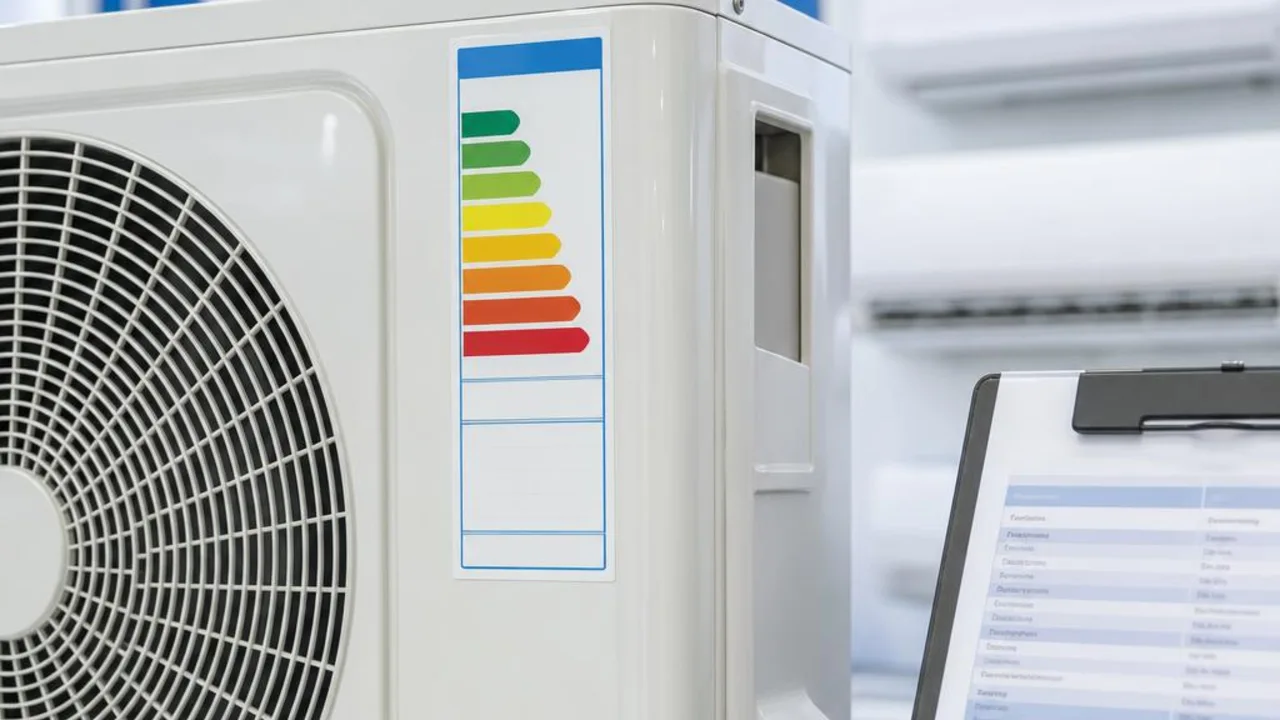
AC Cleaning and Electricity Use: Distinguish Dirt Build-up, Settings and Maintenance
Contents
As the hot summer approaches, air conditioning has become indispensable in homes and offices. However, as usage increases, AC efficiency gradually drops and electricity bills rise accordingly. Regular AC cleaning can not only improve performance, but also effectively reduce power costs. This article explores the connection between AC cleaning and energy saving, and offers practical advice to help you enjoy comfortable air conditioning while lowering your electricity bill.
How AC Works
The main function of an air conditioner is to transfer warm indoor air outdoors and deliver cool air indoors. This process depends on the proper operation of internal components such as the evaporator, condenser and compressor. If these components are obstructed by dust, dirt or other impurities, cooling efficiency will drop, which increases energy consumption and is ultimately reflected in the electricity bill. Therefore, regular air conditioner cleaning is key to maintaining operating efficiency.
Benefits of AC cleaning
1. Improve air conditioner efficiency: cleaning the air conditioner removes dust and dirt from the evaporator and condenser, allowing air to flow more smoothly so the unit can absorb and release heat more effectively, thereby improving cooling performance.
2. Reduce energy use: Keeping the AC unit clean helps reduce operating load and avoid performance decline caused by dust buildup, thereby improving operating efficiency.
3. Extend equipment lifespan: regular cleaning and maintenance can prevent faults, reduce repair costs, and extend the unit's service life.
Howto carry out AC Cleaning
Air conditioner cleaning is recommended to be handled by professional technicians. For general home users, only basic cleaning that is safe and risk-free should be performed:
1. Turn off the power: Before cleaning, be sure to switch off the AC power to ensure safety.
2. Clean the filter: remove the air conditioner's filter, rinse it with clean water, and reinstall it after it has dried. Cleaning the filter helps prevent dust from entering the inside of the air conditioner.
4. Check the drainage: Make sure the drain pipe is not blocked. If you find standing water, odour, or condensate overflow, please contact a professional for inspection and repair; do not dismantle the casing or handle internal system parts yourself.
Find professional help
Although self-cleaning an AC is possible, for some complex air-conditioning systems or units that have not been cleaned for a long time, seeking help from a professional team is a wise choice. Professional technicians have extensive experience and specialist tools, allowing for a more thorough clean and inspection. They will tailor a maintenance plan based on the model and usage of the unit, helping ensure it runs in top condition and may help save on electricity bills.
Regular AC cleaning can not only improve operating efficiency, but also effectively reduce electricity costs. With simple self-cleaning or professional maintenance, you can keep your AC unit in optimal condition and create a comfortable living environment. As energy prices rise, saving energy and reducing costs has become an important issue for every household. We hope the suggestions in this article will help you enjoy air conditioning while achieving energy-saving goals, making life more comfortable and economical.
Related reading and services
Want to arrange AC cleaning or maintenance?
OPOExpert Air Conditioning provides residential and commercial AC cleaning and maintenance with clear pricing. Enquiry first or book online directly