

Air conditioner installed above the bed headboard? Suggestions for improving indoor unit placement and sleep noise
Contents
In Hong Kong’s cramped living environment, bedroom space is usually very limited. When planning bed placement and appliance layout, many owners reluctantly install the indoor air conditioner unit directly above the head of the bed. However, after moving in, this arrangement often affects sleep quality at night because of slight operating vibration or fan noise. Understanding the potential impact of placing the air conditioner above the bed, and making some practical adjustments and improvements, can help create a quieter and more comfortable sleeping environment.
The sense of pressure and direct airflow when installed above the bedhead
From an interior design perspective, hanging a bulky indoor AC unit above the bed can create an invisible sense of psychological pressure. In addition, when the AC is operating, cool air sinks downward. If the air-direction louvers are not adjusted properly, the cold air can easily blow directly toward the head or face. Long-term exposure to direct cold air may not only cause dry skin and mucosal discomfort, but may also lead to headaches or catching a cold after waking up, directly affecting everyday health and comfort at home.
Minor vibration during operation and noise from thermal expansion and contraction of the casing
In a quiet nighttime environment, the sounds from an air conditioner often seem louder. When the indoor unit is installed near the bed, your ears are closest to the noise source. In addition to the humming of the fan motor, the plastic panels of the casing may sometimes make small clicking sounds as they expand and contract with changes in indoor temperature. More importantly, if the wall-mounted bracket was not installed firmly enough, minor vibration during operation may be transmitted directly through the wall to the bedside. For people who are sensitive to sound or sleep lightly, this is undoubtedly a problem that cannot be ignored.
Adjust the air direction and make good use of the low-noise sleep mode
If it is not possible to change the AC position because of the room layout, the owner can first try optimising the AC settings. At night when sleeping, try to adjust the air guide vanes so the airflow is horizontal and upward, allowing the cool air to circulate naturally and sink from the upper part of the room, avoiding direct airflow hitting the head of the bed. At the same time, many newer AC models are equipped with a sleep mode or quiet function. When enabled, the system will automatically reduce fan speed and slightly adjust the temperature, helping reduce fan noise and create a relatively stable sound environment.
Regularly inspect the unit fixing and install anti-vibration pads
For structural noise caused by resonance, owners can pay attention to the installation details of the air conditioner. Sometimes there are small gaps between the indoor unit and the wall-mounted bracket, or between the bracket and the wall. When the motor is running, friction noise may be produced. Arranging for a technician to inspect the unit, retighten the fixing screws, or properly add rubber pads with shock-absorbing functions at the contact points can help reduce the transmission of resonance noise. Ensuring the unit is stable and firmly secured can significantly reduce nighttime disturbance caused by minor mechanical vibration.
Deep-cleaning the unit reduces the load on the fan wheel
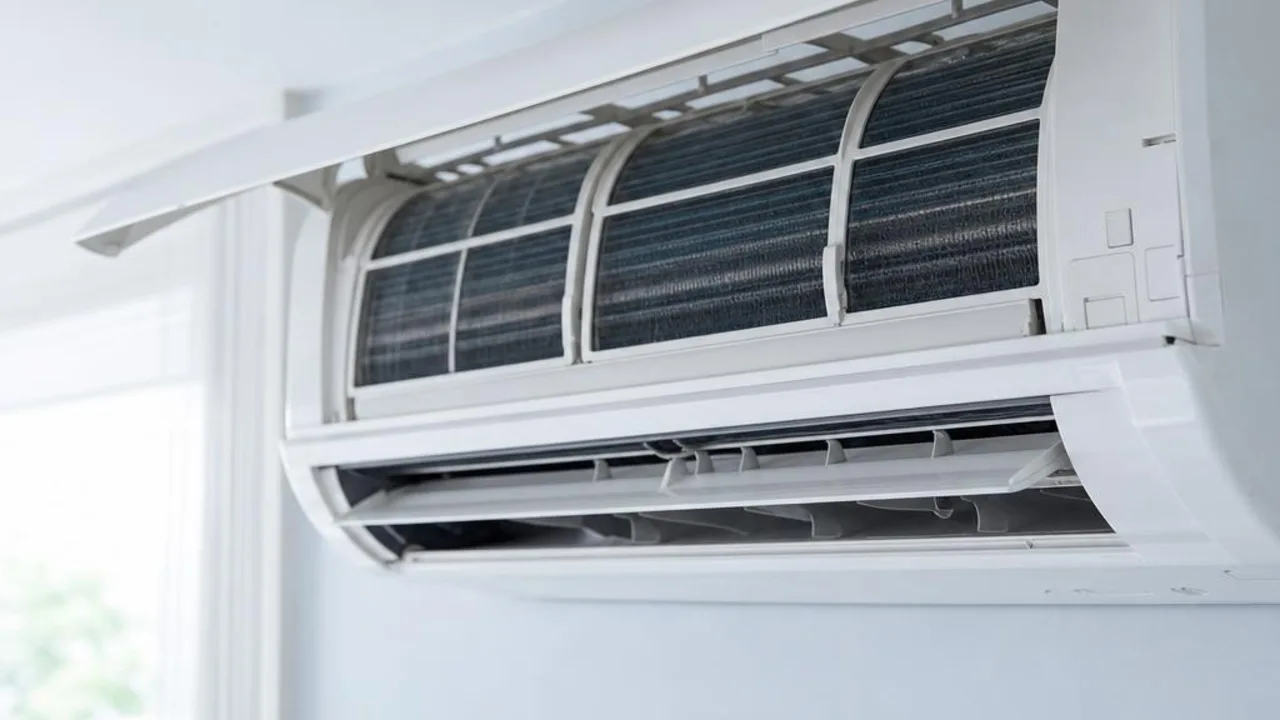
The level of dirt inside an air conditioner also directly affects how noisy it is. When heavy dust builds up on the fan wheel and filter, airflow in and out of the unit is obstructed. This forces the motor to increase speed to achieve the expected cooling effect, creating stronger air-cutting noise and operating noise. Regularly checking the cleanliness of the unit and removing accumulated dirt and debris in time helps keep the air passages clear, allowing the fan to run quietly at a lower speed. This is also an important step in restoring peace to a bedroom air conditioner.
Seek help from a professional team
The installation position of an air conditioner and indoor noise control involve professional considerations such as building structure and aerodynamics. Whether it is planning the indoor unit position properly during the early stage of renovation, making fine adjustments to anti-vibration structures in an existing setting, or arranging regular deep noise-reduction cleaning, choosing an experienced professional AC engineering team can provide practical improvement advice from a more professional perspective and help you get rid of sleep-disrupting noise and regain cool, quiet deep sleep.
Related reading and services
Want to arrange AC cleaning or maintenance?
OPOExpert Air Conditioning provides residential and commercial AC cleaning and maintenance with clear pricing. Enquiry first or book online directly