
Negative Effects of Air Conditioners on Health and Performance: Why Regular Cleaning Is Essential
Contents
Dust buildup in an air conditioner may affect airflow, heat exchange, or drainage, so whether cleaning is needed should be judged from the actual condition. Health symptoms and equipment faults should be assessed separately. Do not use “serious health consequences” to sell cleaning, and do not promise that regular cleaning will extend the unit’s lifespan.
Health risks
1. Declining indoor air quality: dust may accumulate inside the AC, and when it runs it may affect indoor air quality. Regular cleaning is recommended to maintain a fresher environment.
Odour and moisture: check drainage, visible dirt and surrounding sources; smell alone cannot confirm the organism type or respiratory disease. If symptoms persist, seek medical advice.
Reduced performance and efficiency
During cooling, the indoor evaporator absorbs heat and the outdoor condenser releases it; dirt on either can affect its own airflow or heat exchange. Cleaning can remove the blockage caused by dirt, but actual electricity use still depends on weather, settings and operating hours, and there is no universal electricity-saving percentage.
2. Service life maintenance: Long-term dirt build-up may affect operating performance. Proper cleaning and maintenance help keep the unit in good working condition.
3. Higher repair costs: Dirt and moisture inside the air conditioner may damage certain parts, such as an overheating fan motor or blocked pipes. This increases repair costs and may even require replacing the entire unit.
How to carry out regular maintenance cleaning of an air conditioner
To avoid the above problems and ensure high performance and a long service life, regular cleaning and maintenance of the air conditioner are essential. Here are some suggestions:
Filter: Check according to the manual and the amount of dust buildup; washable and replaceable cartridges should be handled separately, not replaced every month by default. Switch off the unit and safely isolate the power as required by the manufacturer before cleaning.
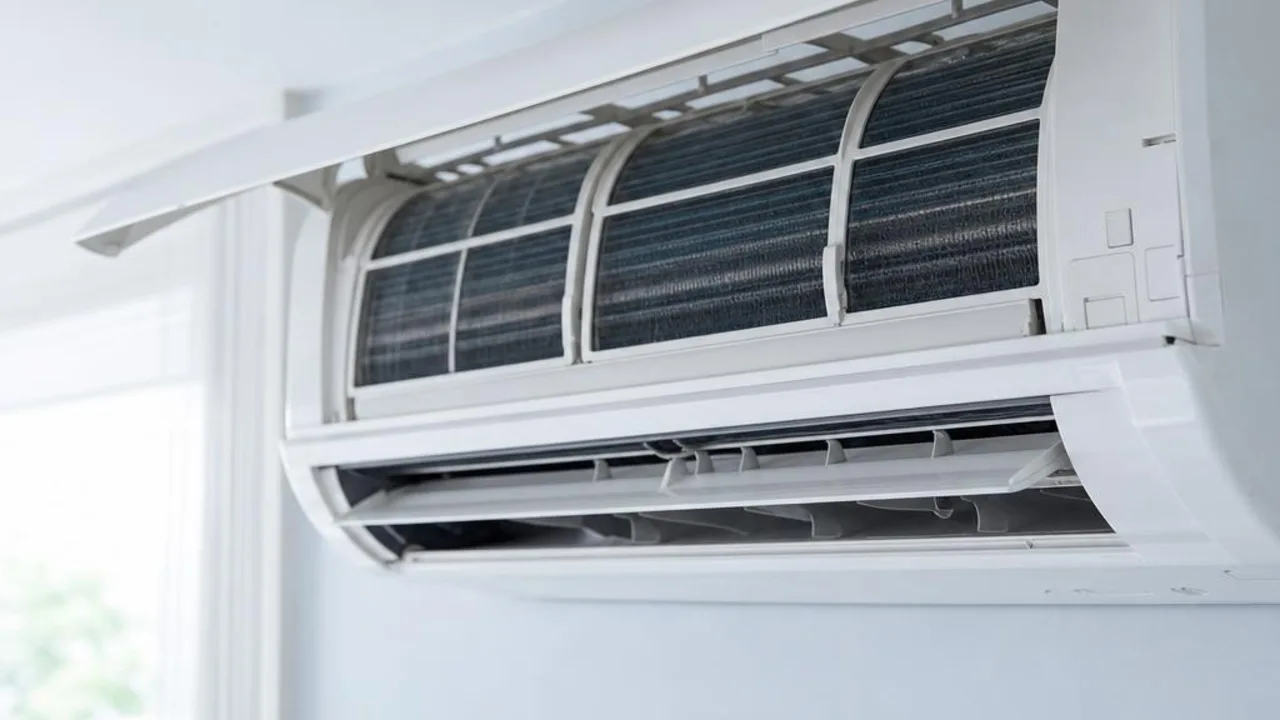
The evaporator, fan wheel and outdoor condenser: service staff will assess the cleaning need and safe access method. Residents should not dismantle the unit themselves, insert brushes into it, or flush water into the interior.
Drainage: record the location and time of the dripping; do not pour in chemicals or dismantle the hose to clear it. Service staff should confirm any blockage, connection issue, or drainage slope problem.
Electrical work: checking circuits, fixed wiring and internal wiring is not a household maintenance step. Work related to fixed wiring should be arranged by a registered electrical contractor, and should not be handled by you simply because you think you are familiar with it.
5. AC maintenance: Follow the manufacturer's recommendations and user manual for regular maintenance. This helps ensure efficient operation, saves energy, and maintains good indoor air quality.
The purpose of maintenance is to deal with visible dirt, drainage and operating issues, not to guarantee zero faults, sterility or treatment of illness. Before quoting, separate cleaning, repair and parts replacement, and after maintenance confirm whether the original problem still needs follow-up.
Find professional help
Enquire about TimesYou may provide the model, location, hours of use, and symptoms so the service staff can judge the cleaning or inspection scope. Cleaning cannot replace fault repair, and it does not promise to remove all microorganisms.
Related reading and services
- Related service scope and current charges
- Back to AC encyclopedia
- Electrical and Mechanical Services Department: air conditioner safety tips


Need professional help?
Need to know about Residential air conditioning service? First check the service scope and arrangements, then provide the model and site details for enquiry