
Internal cleaning vs external cleaning
Contents
In Hong Kong, a city with long and hot summers, air conditioners are almost essential appliances in every home and office. Many users regularly clean the outer casing, front panel, and dust filter, thinking this is enough to keep the unit clean and efficient. However, the key factors that truly affect cooling performance, energy efficiency, and indoor air quality are the internal deep-cleaning parts of the machine. Hidden inside the casing, the evaporator fins, blower wheel, and drainage system are the main areas where dust, mould, and bacteria accumulate. Ignoring internal cleaning not only affects the user experience, but may also pose potential health risks.
Limitations of external cleaning and misconceptions from appearances
Many users are used to cleaning the AC dust filter and casing themselves, thinking that this completes basic maintenance. In fact, the dust filter can only trap larger dust particles, while fine airborne particles, grease fumes, and moisture can still pass through the mesh and enter the unit. When these contaminants adhere to the evaporator fins and blower blades, they gradually form a thick layer of grime. Cleaning the exterior may keep the unit looking tidy, but it cannot reach these deeply built-up pollutants. Therefore, relying only on external cleaning treats the symptoms rather than the cause and cannot truly solve the hygiene and performance problems inside the AC.
The effect of internal dirt on indoor air quality and health
The internal environment of an air conditioner easily accumulates dust and moisture. When the unit runs, these buildups may affect the quality of the air being blown out. For people sensitive to air quality, timely cleaning helps maintain a good indoor environment. If the air conditioner gives off a mouldy smell, professional inspection is recommended.
How Internal Cleaning Improves Cooling Performance and Energy Savings
When dust and grease build up on the evaporator fins, airflow and heat exchange efficiency are blocked, reducing cooling performance. If the blower wheel blades are coated with dirt, operating resistance will also increase. Professional internal deep cleaning helps maintain the unit's proper working condition and supports cooling performance.
Main internal pollution sources and key cleaning areas
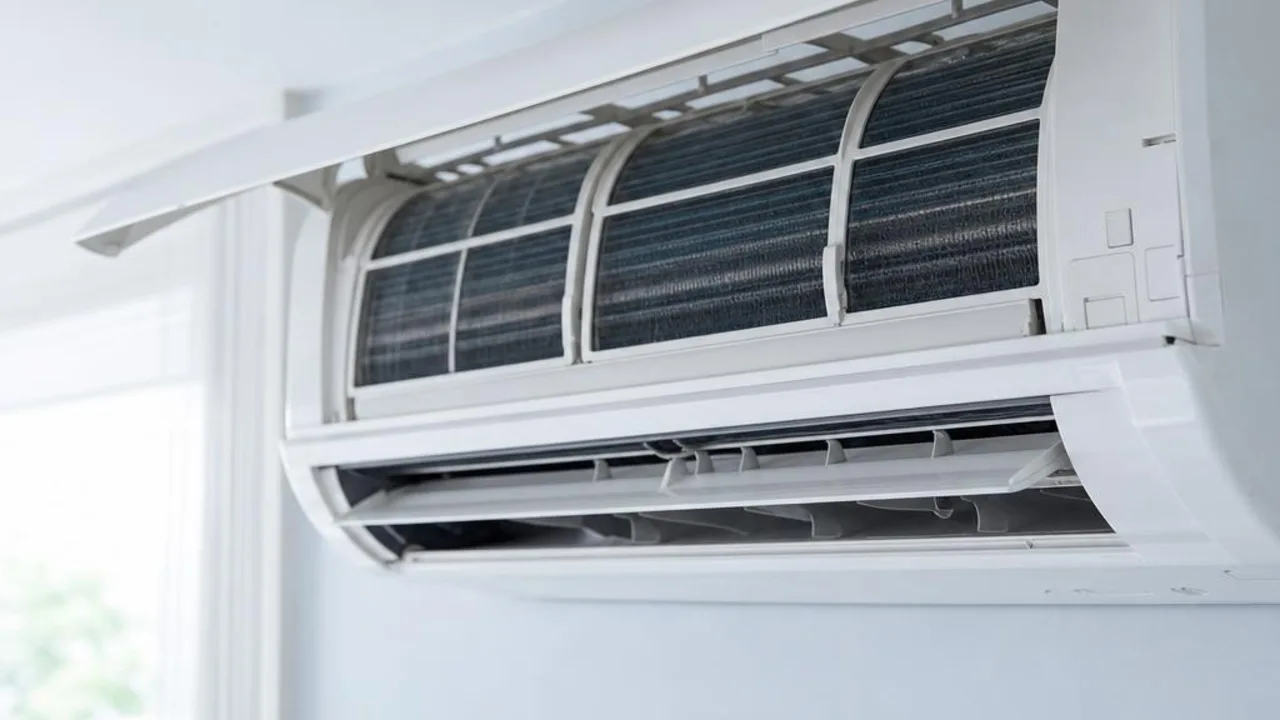
The main areas where dirt accumulates inside an air conditioner include the evaporator fins, cylindrical blower wheel, drain tray, and drainage pipes. The evaporator fins are closely spaced with narrow gaps, making them one of the easiest places for dirt to collect, and they need high-pressure water or a specialised cleaning agent for thorough removal. If oil and dust build up on the blower wheel surface, airflow and balance will be affected and it needs to be removed and cleaned carefully. If the drain tray accumulates stagnant water and biofilm for a long time, it will create odours and breed mosquitoes and insects. If the drainage pipe becomes blocked, it can also cause dripping problems. Cleaning these internal components is highly technical and requires professional tools and knowledge; it is not something ordinary household users can handle on their own.
Find professional help
To thoroughly clean the inside of an AC unit, it is recommended to look for a cleaning team with professional qualifications and extensive experience. A quality service provider will first remove the outer casing and main components, then use high-pressure cleaning equipment with professional cleaning agents to remove stubborn dirt from the evaporator and blower wheel. The professional team will also check whether the drainage system is clear and carry out disinfection and sterilisation to ensure the inside of the unit is clean and hygienic again. In addition, professional staff will set up proper waterproof protection during the cleaning process to avoid damaging the circuit or wetting the indoor environment. Choosing a provider with a good reputation and eco-friendly, non-toxic cleaning agents can make the whole cleaning process safer and more reliable.
Related reading and services


Need professional help?
Need to know about Residential air conditioning service? First check the service scope and arrangements, then provide the model and site details for enquiry