
2026 Split-Type Air Conditioner Water Leakage Guide: Common Causes, What to Do When the Unit Is Turned Off, and Inspection Arrangements
Contents
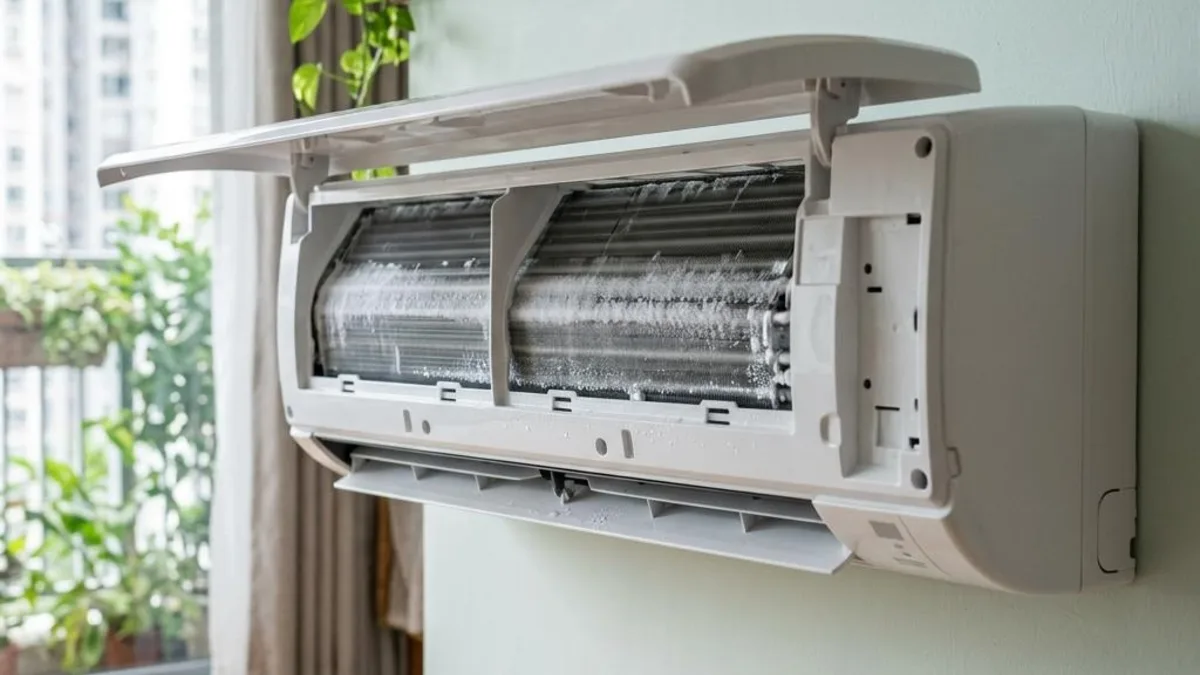
If a split AC is dripping indoors, first stop using it and avoid letting water reach sockets or electrical parts; you may record the dripping point from a safe location before arranging inspection. Do not dismantle the unit, tilt the body, or pour liquid into the drain pan yourself.
This article checks the current Food and Environmental Hygiene Department dripping guidelines and our company's inspection arrangements as of 2026-10-26. Dripping may be caused by drainage, installation, insulation, dirt buildup or icing; it cannot be diagnosed from a single water stain alone. This article does not repeat unsupported case ratios, original factory warranty periods or market repair prices at 2025.
Split-Type Air Conditioner Leaking Water: Five Common Areas to Check
1. Drain pipe or drain outlet blockage
Symptoms:
- The dripping is at the bottom of the indoor unit
- Visible water accumulation in the drip tray
- Accompanied by a "gurgling" sound
You may record the condition of the bottom of the indoor unit and the visible drainage outlet from a safe position. Do not open the drain pan, pour water or force air through the pipe yourself for testing, so as to avoid water leakage contacting electrical parts.
2. Improper installation and drainage arrangement
Key points for installation check:
- The indoor unit should be installed according to the manufacturer’s requirements; the Food and Environmental Hygiene Department also reminds users to check whether the AC is installed level and not to tilt the unit by three to five degrees on their own for drainage.
- The slope, connections and drainage position of the drain pipe should be checked separately according to the model and on-site design; one slope value cannot be applied to all equipment.
Residents may provide photos of the installation location; a phone level tool cannot replace an installation inspection, and do not dismantle the unit or approach high areas just to measure it.
3. Damaged insulation material or joint issues
Situations that may need to be checked:
- High temperature and high humidity accelerate insulation cotton deterioration
- Ageing, damage and construction joints all need to be checked according to the actual condition, and the unit's seven-year age should not be used as a uniform risk threshold.
Only record damage or water droplets visible from a safe position; do not dismantle wrapping materials, wiring, or internal panels:
- Cracks appear
- Condensation droplets are present
- Completely detached
4. Filter dirt buildup and airflow problems
Filter condition should be judged according to the usage environment and the manufacturer’s instructions:
- There is no universal two-weeks-plus blockage threshold; inspection frequency should be adjusted according to usage hours, environment and model.
- If there are more pets, cooking fumes or dust, pay extra attention to the filter condition. Do not use a fixed multiplier to predict the clogging speed.
Dust buildup or reduced airflow can be a maintenance clue; light transmission from a flashlight is not a universal test standard for household filters.
5. Ice formation and refrigeration system abnormalities
Warning signs:
- Frost on copper pipes
- Reduced cooling performance
- Sudden increase in electricity bill
If you see icing, a noticeable drop in cooling performance, or repeated dripping, the unit should be stopped and checked. The cause should be identified by personnel with the relevant training and equipment; do not handle the refrigerant yourself or assume topping up refrigerant is always the solution.
Five safe tasks residents can do
First reduce the impact of the leak, then arrange an inspection:
- Safety first when collecting water: if you do not need to get close to sockets, wiring or high places, place a container on the floor to avoid a slippery surface; do not treat collecting water as a reason to keep the unit running.
- Turn off the air conditioner to prevent continued dripping from affecting neighbours.
- Safe photo-taking: photograph accessible water leakage points and equipment positions; do not lean out of the window, climb out or remove supports.
- Notify the management office: stay proactive if there is a complaint from downstairs
- When arranging an inspection, please state the dripping location, whether icing has occurred, and whether there has been any repair as soon as possible. Do not apply a so-called 48-hour golden repair period without basis.
Tell the technician what can be seen
Drain outlet: only report the visible water flow from a safe position; do not insert tools, blow air or pour liquid to test it.
Filter and airflow: explain whether there is visible dust buildup or reduced airflow; whether it can be removed for cleaning and how to handle it depends on the user manual for that model.
Installation status: Provide photos of the unit and pipe locations for the contractor to check; do not adjust the unit or support yourself.
Sound and time: Explain when the dripping started, whether there is any unusual noise and whether icing has occurred, but do not rely on sound alone to judge part failure.
How to check a quote for 2026-year inspection and repair
Please refer to the current air-conditioning repair page at the end for our inspection fee, repair-fee deduction arrangement and service terms. After inspection, confirm the fault and required work first, then decide whether to proceed with repair based on the quotation.
Pipe clearing, reinstallation, insulation repair and refrigerant system work are not the same job. If parts or extra work are needed, they should be listed separately first. Do not treat one dripping-water inspection as covering all repairs.
Confirm before service:
- First confirm the available time slots and quote, and do not assume weekdays are always cheaper or holidays always cost more.
- If you enquire about both cleaning and repairs at the same time, first distinguish whether both jobs are needed, their respective scopes, and charges; do not assume a fixed discount applies just because they are arranged together, and do not use cleaning as a substitute for fault repair.
- If the equipment is still under the original manufacturer's warranty, please first check the purchase record, model and original warranty terms; it cannot be assumed that all brands and parts are covered for new machines within three years.
Prevent dripping 3 major routine maintenance
- Filter maintenance: follow the user manual and dirt buildup conditions. Only parts that the manufacturer allows to be removed and washed should be handled by yourself. Switch off the unit first and disconnect the power according to the instructions; do not use baking soda water or strong cleaners that have not been confirmed as suitable.
- Drainage outlet: only note whether water is visible leaking or there is a clear blockage from a safe, visible position, and let professionals inspect and handle it. Do not pour in white vinegar, drain cleaner or cleaning tablets yourself, to avoid damage from incompatible materials or operations.
- Before and after the season: record any existing water leakage, icing or abnormal noise, and arrange maintenance according to the manufacturer’s instructions. Whether parts need to be removed, pipes cleared or insulation materials handled should first be checked by the relevant personnel.
Learn more about legal liability
According to current FEHD guidance, if AC dripping water causes a nuisance to others, it may involve the Public Health and Municipal Services Ordinance. Do not describe all dripping water cases as resulting in an immediate fine.
- If you receive a nuisance incident notice or order, handle it according to the documents’ requirements and deadlines; legal consequences must be distinguished by the applicable procedure. Do not look only at the number of water droplets, and do not apply a single generic maximum fine.
- If the problem cannot be solved immediately, stop using the faulty air conditioner, contact the management office and arrange a professional inspection to reduce the impact on other residents or pedestrians.
- If there is property loss or a dispute over liability, records should be kept and legal advice sought according to the actual situation. Dripping alone cannot prove that a particular person must compensate.
When should repair and replacement be compared?
Decide only after comparing the cause of the fault, equipment condition, parts availability and the full quotation, rather than judging from age or a single symptom alone.
- Age is only a reference; the actual condition still needs to be checked, and it is not true that repair is not worthwhile once the unit reaches eight years.
- The accumulated cost of repeated repairs should be compared against previous invoices, while also confirming the cause of the recurring fault. Do not decide on replacement based only on the age of the unit or a single fixed total amount.
- If there is severe corrosion or damaged parts, first confirm repairability, parts availability and cost, then compare replacement options.
- For older refrigerant equipment, first check the model, legal supply and repair feasibility; do not treat import restrictions as if the product has been globally discontinued, and do not assume existing equipment must be replaced based on refrigerant name alone.
If you are considering replacement, first confirm the new unit's specifications, installation and removal scope, and the current quotation; whether there is a trade-in or promotion depends on the supplier's terms at the time.
Dripping problems should be handled quickly and accurately
AC dripping is no small matter; early action can:
- Avoid high repair costs
- Prevent neighbourhood disputes
Remember our emergency checklist: “Turn off the AC, collect the dripping water, check the filter, book a technician.”
Related reading and services
- OPOExpert Air Conditioning: current inspection fees, repair quotations and service terms
- Back to AC encyclopedia
- FEHD: Inspect and maintain air conditioners to avoid dripping water nuisance
- EPD: safe use of alternative refrigerants
Need professional help?
Need to know about AC repair service? First check the service scope and arrangements, then provide the model and site details for enquiry