
Do air conditioners need to be cleaned more often during seasonal changes than in summer?
Contents
When the cool autumn season arrives, many Hong Kong households can finally switch off the air conditioner that has been running all day and open the windows to enjoy natural wind. Yet when you turn on the air conditioner again a few days later, or switch it to fan mode, a musty smell suddenly hits you, and elderly family members and children start having allergy symptoms. It was fine when it ran every day in summer, so why does it become a problem in autumn? Should air conditioning maintenance in autumn be more frequent than in summer? Today, let our AC cleaning team explain this hidden risk.
Why does it smell worse even though it has been used less? Uncover the truth behind moisture recirculation during the autumn transition
Many people think that if they use the AC less, it will dry out naturally, but Hong Kong's humidity in autumn remains high. When you turn off the AC at night, residual condensation water inside the unit cannot evaporate quickly and will combine with the skin flakes and dust that accumulated on the evaporator in summer. This high-humidity plus fine-dust breeding ground allows mould to grow rapidly. When you turn the AC back on during the seasonal change, the fan will blow out large amounts of mould spores and moisture bred inside the unit, filling the whole bedroom and causing respiratory discomfort.
Why does turning on the AC in seasonal weather cause coughing? The hidden causes of mould and dust inside the unit
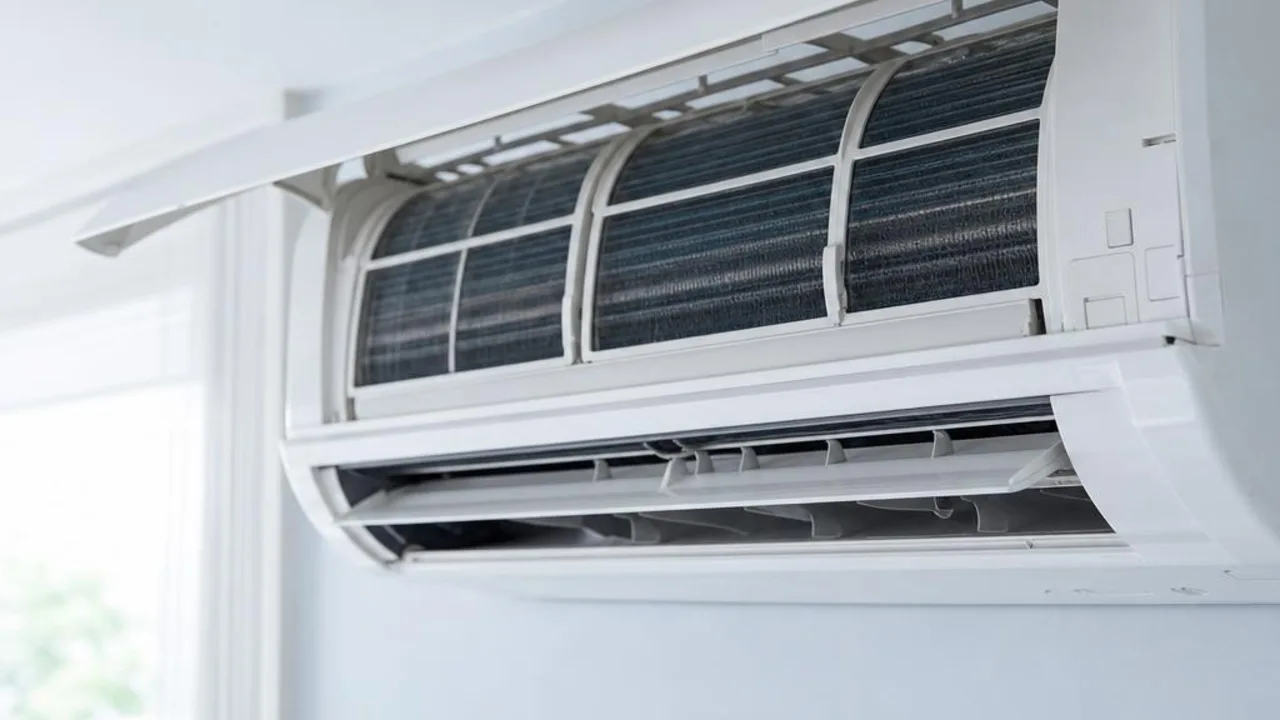
During operation, the air conditioner draws in fine airborne particles and skin flakes. In the hot summer, heavy condensation washes away some dust; but in autumn, as temperatures drop and condensation decreases, the dust loses that wash-off effect and sticks firmly to the evaporator gaps and blower wheel, forming mould layers. When you switch it on during the seasonal change, the airflow passes over these mouldy black spots, and mould particles become airborne. After being inhaled, they can irritate the airways and cause a dry cough and itchy throat.
Autumn AC maintenance comparison chart: the big difference between daily care and deep protection
To help everyone understand the key maintenance points for autumn, we have summarised the differences between routine cleaning and professional deep maintenance in the practical comparison table below:
Maintenance dimensions 🔍
Simple surface cleaning (do it yourself) ✨
Professional deep protection (team support) ⚠️
Dust filter cleaning 🧼
Clean surface hair and lint to maintain basic airflow
High-temperature sterilisation at the same time to thoroughly remove odours and bacteria
Evaporator mould cleaning 🦠
Cannot reach the internal gaps, making deep mould difficult to remove.
Using professional high-pressure equipment and eco-friendly chemicals for deep cleaning and disinfection
Autumn health protection 🌟
It only treats the symptoms, and when the season changes and the unit is turned on, it still easily blows out allergens.
Effectively remove moisture buildup and mould during the transition period, protecting your airways
Is DIY filter cleaning enough?
When you notice an odour, many people first try rinsing the filter with water themselves. At this point, it is necessary to clearly separate the "safe DIY range" from the range that requires professional expertise. Your safe DIY range is mainly limited to removing and washing the indoor unit's dust filter, lightly wiping dust from the casing, and checking the remote control. However, never blindly open the casing to clean the evaporator or fan wheel without professional tools. Spraying off-the-shelf cleaners yourself will not remove deep mould and may allow liquid to enter the main board and cause a short circuit. When mould spots are already visible inside, it must be handled by professionals.
Seek help from a professional team
If your home air conditioner gives off a musty smell in autumn, or still smells after a simple filter clean, we recommend arranging a professional AC cleaning team. We provide professional cleaning services, using high-pressure equipment to reach deep inside the unit and improve operating efficiency.
Frequently asked questions
Q1: Why do I often smell a musty, rotten odour when using the AC in autumn?
A: Because fine dust and moisture accumulated during summer have not dried out in the humid autumn weather, allowing mould to grow rapidly and be blown out when the unit is turned on.
Q2: As temperatures cool in autumn, is there no need to worry about the AC?
A: Not recommended. In a damp environment, mould will keep growing while the unit is left idle. It is better to run it occasionally for dehumidifying or arrange a professional cleaning.
Q3: How can I reduce moisture build-up inside the air conditioner at home in daily life?
A: Before switching off, run the fan-only mode for fifteen minutes to dry the remaining moisture on the evaporator surface and reduce the chance of mould growth.
Related reading and services


Want to arrange AC cleaning or maintenance?
OPOExpert Air Conditioning provides residential and commercial AC cleaning and maintenance with clear pricing. Enquiry first or book online directly