
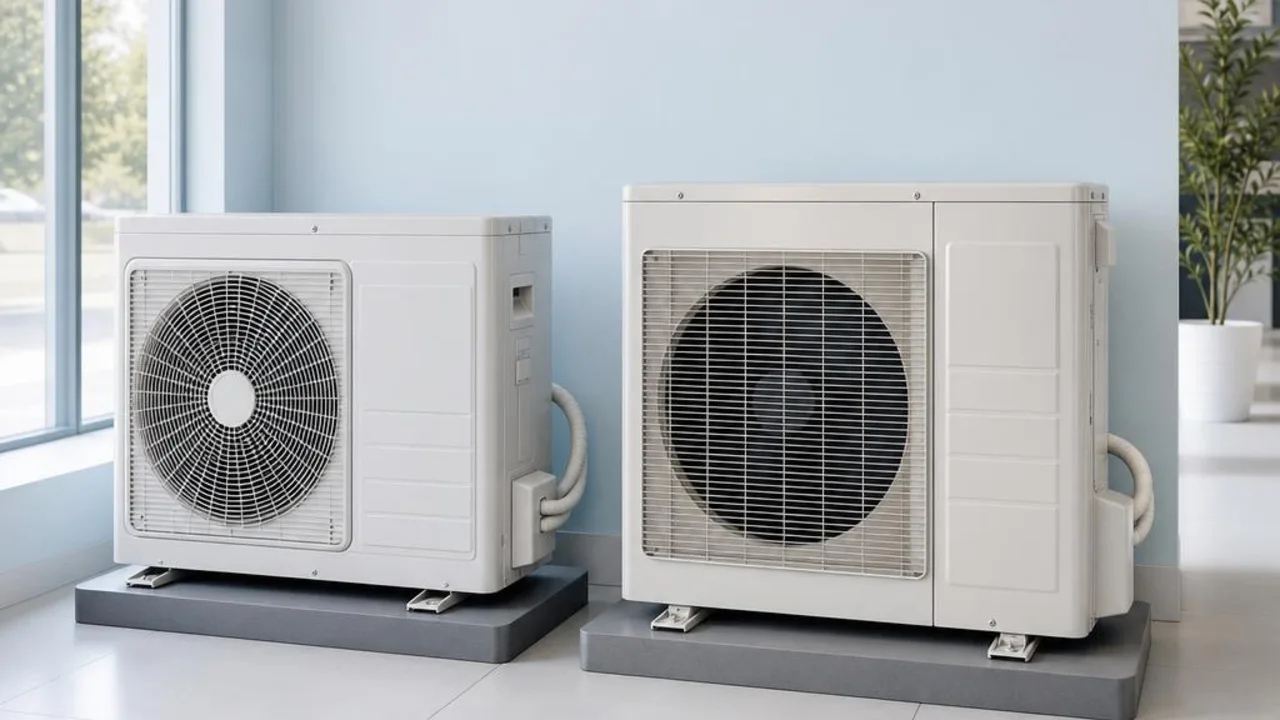
How to read an AC test report? Year, model, CSPF and energy label
Contents
When reviewing an AC test report, first check the year, model, capacity, and test conditions. Sample results in an old report apply only to that specific test and cannot be used directly as 2026 figures for all current ACs on sale or as a brand ranking. When choosing a unit, also check the Hong Kong energy label and quotation for the actual model.
1. Energy efficiency: the key role of inverter technology and CSPF
A Grade 1 energy label does not mean all models in the same class consume the same amount of electricity, nor can it be claimed that every sample in a report without specified model and year meets the same standard. Please check each model’s label and the original report text.
- CSPF (Cooling Seasonal Performance Factor) is a useful indicator for comparing energy efficiency, but similar equipment, capacity, testing and labelling conditions must be checked. Different models from the same brand perform differently, and the test result of one model cannot represent the whole brand or all newer models.
- Electricity bill estimates should be calculated using comparable model consumption data, usage patterns and the actual electricity rate. Do not treat the difference under test conditions as an amount every household will definitely save.
2. Cooling performance and accuracy
- Cooling capacity: when comparing the stated value with test results, check the model, test method and allowable difference first, then see whether it suits the room. A higher capacity in testing does not mean every home will feel more comfortable or save more electricity.
- Cooling-only and cooling-and-heating units should be checked separately for actual use, capacity and label information. Do not assume all models are more accurate or stable based on type or brand.
3. Comfort factors: noise level and airflow
AC comfort depends on operating noise and fan speed control.
- Noise: Check the model label and test conditions, including whether the comparison is for the indoor or outdoor unit, the fan speed used and the rating method. Installation and the site environment also affect the actual experience, so do not rely on the brand name alone.
- Airflow and adjustment: compare according to the specific model's fan settings, airflow, and room layout. A higher maximum airflow does not mean faster cooling in every environment; air outlet position, obstacles, and comfort must also be considered.
4. Overall buying advice and conclusion
- Energy-saving comparison: compare capacity, labels, actual price differences, and usage patterns under the same conditions; a higher purchase price does not necessarily mean lower electricity use or a faster payback period.
- Budget comparison: get quotes for the specific model, basic installation and extra work, and check the after-sales terms, rather than calling a brand the best value without evidence.
- Maintenance notice: maintenance terms vary by brand. Regular filter cleaning is the basis for maintaining performance, but if it involves refrigerant pressure checks, compressor faults or electrical system issues, it must be handled by a qualified technician. Please keep your purchase receipt to check the latest maintenance policy.
Heating is needed before cooling-and-heating functions are included in the comparison; a cooling-and-heating model is not necessarily more energy-efficient or better suited to every home. Check the report publication date, model and source against the specifications of products currently available, item by item, and do not treat historical sample rankings as the latest recommendation.
Related reading and services
- Related service scope and current charges
- Back to AC encyclopedia
- Electrical and Mechanical Services Department: air conditioner energy label

Want to arrange AC cleaning or maintenance?
OPOExpert Air Conditioning provides residential and commercial AC cleaning and maintenance with clear pricing. Enquiry first or book online directly