
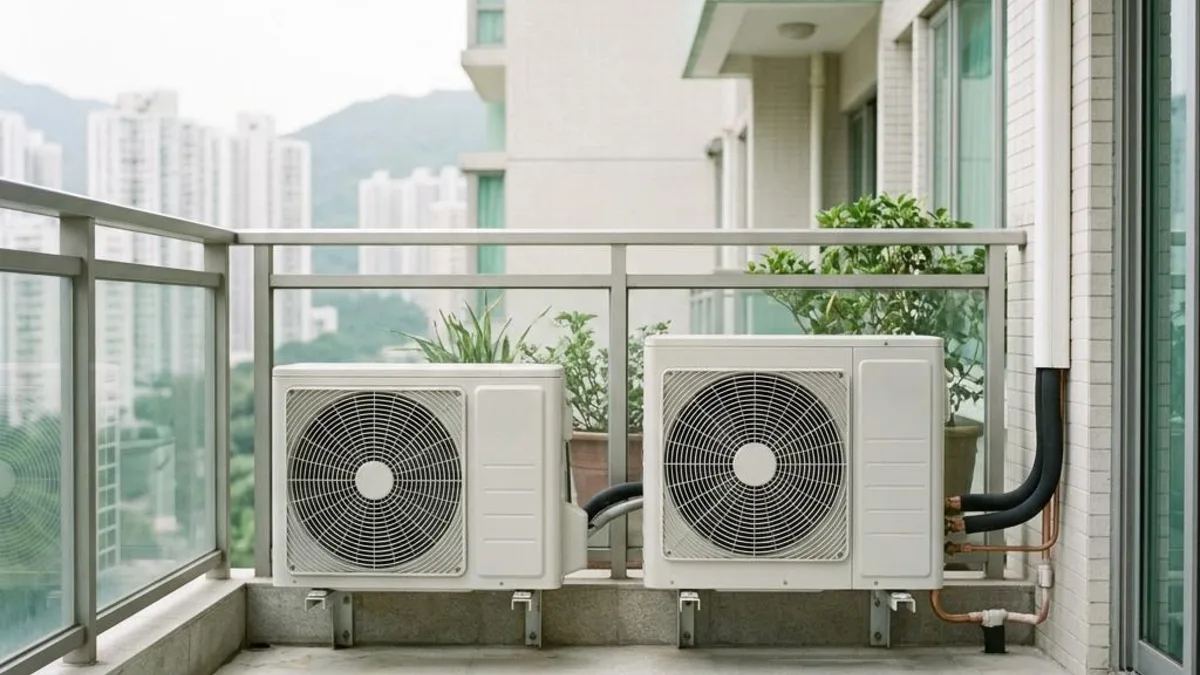
Air conditioner copper pipe size and length: refer to the matching model specifications
Contents
The refrigerant copper pipes in a split AC connect the indoor and outdoor units. Commonly there are liquid and gas lines of different diameters. Copper pipes are not drain pipes, and the slope, length or connection method of one pipe cannot be used to infer the other.
Do not buy copper pipes based only on horsepower or tonnage.
Pipe diameter, wall thickness and material must match the specified indoor/outdoor unit pairing, refrigerant and operating conditions. The old draft's single pipe size for one-ton or two-ton units is not enough as a basis for material selection.
A thicker pipe does not necessarily mean higher efficiency, and the connector size already on site cannot be used to infer that the original design is suitable. The relevant installation specifications should be obtained before choosing a unit.
Length and height difference are different restrictions
The original manufacturer's minimum and maximum piping length, indoor-outdoor height difference, branch configuration and additional refrigerant conditions must be checked. Different systems can vary greatly, so there is no universal 3 to 5 metre recommendation for all home AC units.
The actual route includes bends, wall penetrations and workable positions, not just the straight-line distance between two units. Do not modify pipes, extend them, mix connections or estimate refrigerant top-up from the article yourself.
Insulation, joints and old pipe assessment
Insulation integrity, joints and supports can all affect the risk of leakage or repairs. When replacing a unit, the old pipe material, cleanliness, pressure resistance and condition must also be checked; it is not guaranteed that all existing piping can be reused when replacing the unit in the same location.
For concealed wall piping and hidden joints, please first confirm the inspection and testing method. Do not remove insulation, turn valves, or use soap water or a flame to test for leaks by yourself.
Provide route details before quoting
Please provide the old and new model, indoor and outdoor unit locations, estimated route and renovation arrangement, so the installer can measure and verify. Running new power, scaffolding, ceiling removal and patching should not be assumed to be part of basic installation.
Confirm the specifications used, any extra works, and the scope of the test run; refrigerant handling must be carried out by professionals according to the manufacturer’s procedure. Copper pipe knowledge is for communication only, not a do-it-yourself instruction.
Related reading and services
- Air conditioner installation, basic scope and quotation
- Air conditioning guide by symptom
- Current charge confirmation, payment, rescheduling and service terms
- Back to AC encyclopedia and continue reading
Reference sources and applicable scope
This article provides a preliminary guide only and does not replace an on-site diagnosis. Original manufacturer functions and operation apply only to the corresponding model; please refer to your own unit's manual. For fixed electrical installations, inspection should be arranged by a registered electrical contractor.
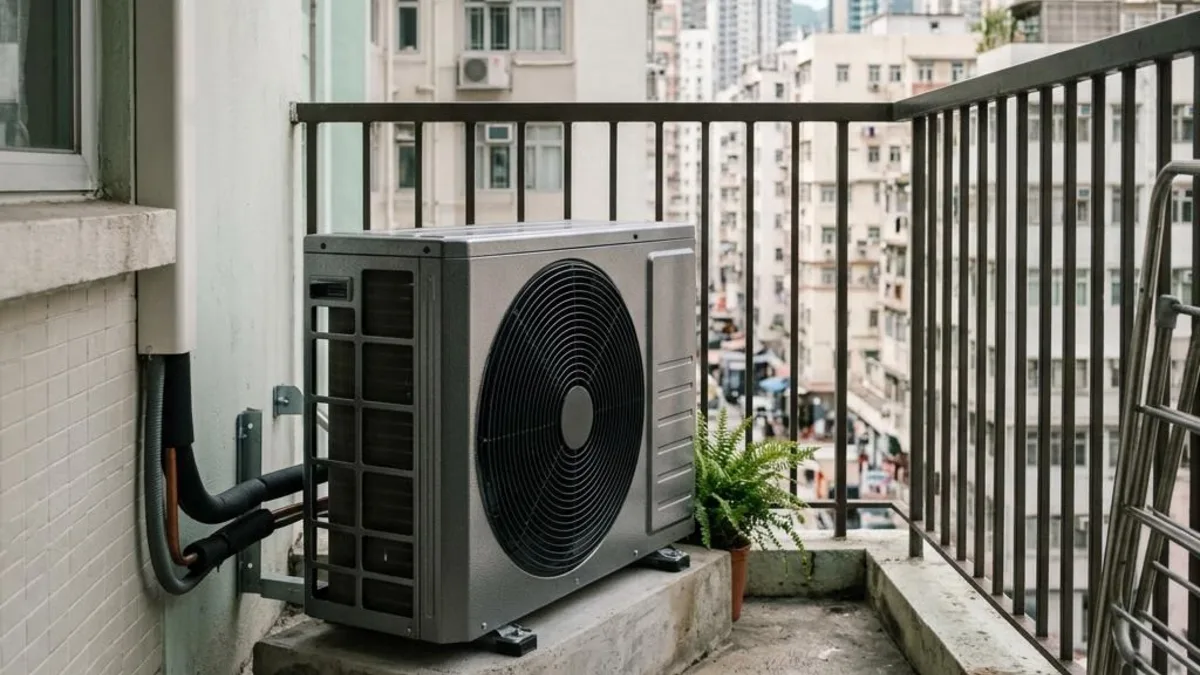
Need professional help?
Need to know about AC installation service? First check the service scope and arrangements, then provide the model and site details for enquiry