
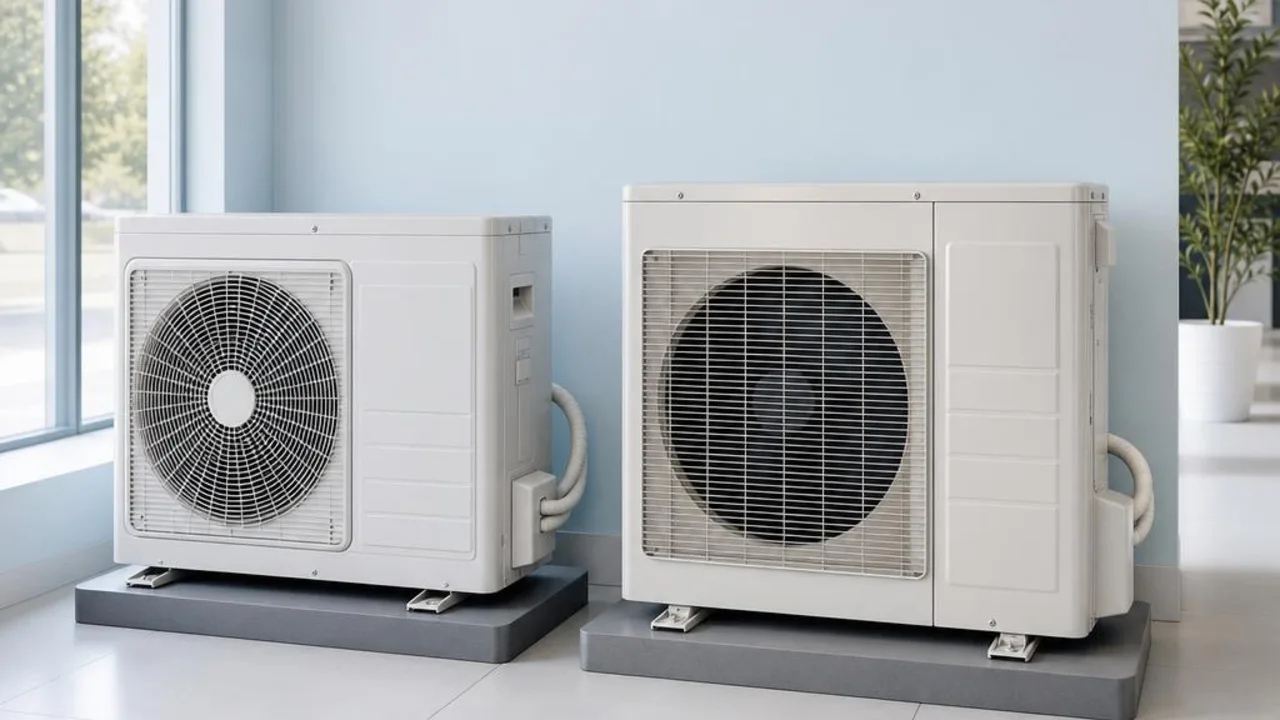
Fixed-speed and inverter AC differences | Detailed explanation of the differences between fixed-speed and inverter AC
Contents
Air conditioners are one of the indispensable household appliances in summer, especially in hot weather. When choosing an air conditioner, you may come across the terms "fixed-speed" and "inverter". What is the difference between these two types of air conditioners? This article will explain in detail.
Fixed-speed and inverter AC differences | Fixed-speed AC
A fixed-speed AC is simple to operate and easy to understand. After you turn it on, it runs at full speed until it reaches the set temperature. Once the target temperature is reached, it shuts off automatically. When the indoor temperature rises again, the unit restarts and runs at full speed. This is known as the on-off mode or fixed-speed operation.
Advantages:
Fixed-speed AC units are usually relatively cheaper, and repair costs are also lower.
Disadvantages:
Disadvantages: because the compressor frequently switches operating modes, the temperature control precision of a fixed-speed unit is relatively lower, and it may also cause more noticeable power fluctuations.
Fixed-speed and inverter AC differences | Inverter AC
By contrast, inverter ACs use advanced technology to adjust their running speed. Once an inverter AC reaches the set temperature, it does not switch off; instead, it reduces speed to maintain the temperature. This is called inverter operation.
Advantages:
An inverter AC can maintain indoor temperature more effectively, provide a more comfortable environment, and also save energy and reduce electricity bills.
Disadvantages:
The price and repair cost of inverter AC units are usually relatively higher.
Choosing between a fixed-speed and an inverter air conditioner depends on your needs and budget. If you want to lower the initial cost and maintenance cost, and do not mind slight temperature fluctuations, a fixed-speed AC may be a good choice. If you want a more stable and comfortable indoor environment and are willing to pay more for it, an inverter AC may be the better option.
The actual power consumption of an inverter AC depends on the model, room load, settings, usage time and installation. You cannot use daily operating hours alone as the selection threshold for every household. Choose cooling capacity based on actual needs, then compare energy labels for similar specifications; no guaranteed payback or fixed energy-saving amount is promised.
Related reading and services
- Related service scope and current charges
- Back to AC encyclopedia
- Consumer Council: split-type AC buying and usage tips
- Consumer Council: AC buying advice and past test tips

Want to arrange AC cleaning or maintenance?
OPOExpert Air Conditioning provides residential and commercial AC cleaning and maintenance with clear pricing. Enquiry first or book online directly