
How an Air Conditioner Works: Evaporator, Condenser, and Refrigerant Cycle
Contents
A general vapour-compression air conditioner transfers indoor heat to the outside through refrigerant circulation. Under normal circumstances, room air and refrigerant do not mix directly; the air blowing from the outlet is not refrigerant.
The indoor evaporator absorbs heat
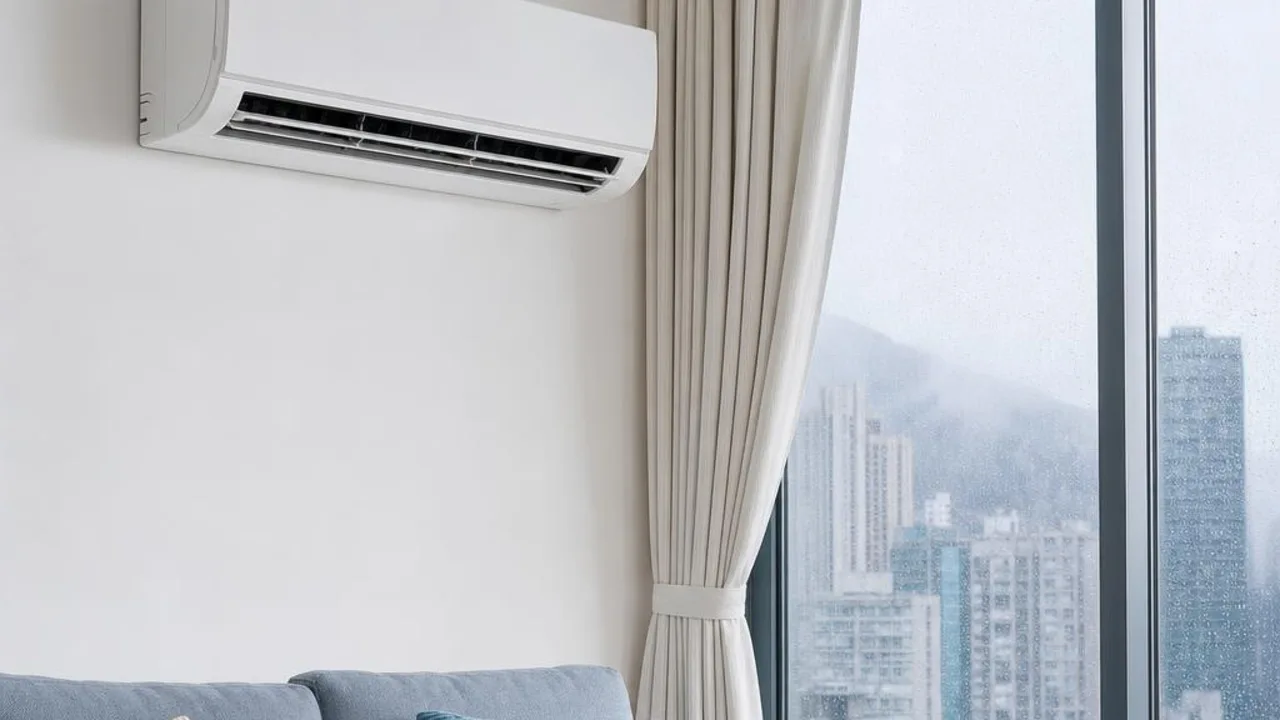
During cooling, low-pressure refrigerant absorbs heat in the indoor heat exchanger and evaporates, and the airflow passes through the heat exchanger before returning to the room. The evaporator is not another name for the entire indoor unit; the unit also contains the fan wheel, control parts and water-collection components.
When the surface temperature of the heat exchanger falls below the dew point of the surrounding air, moisture can condense and flow into the drip tray, then be discharged through the drainage system. This is condensate, and it is different from the substance inside the refrigerant pipes.
Compression and outdoor heat dissipation
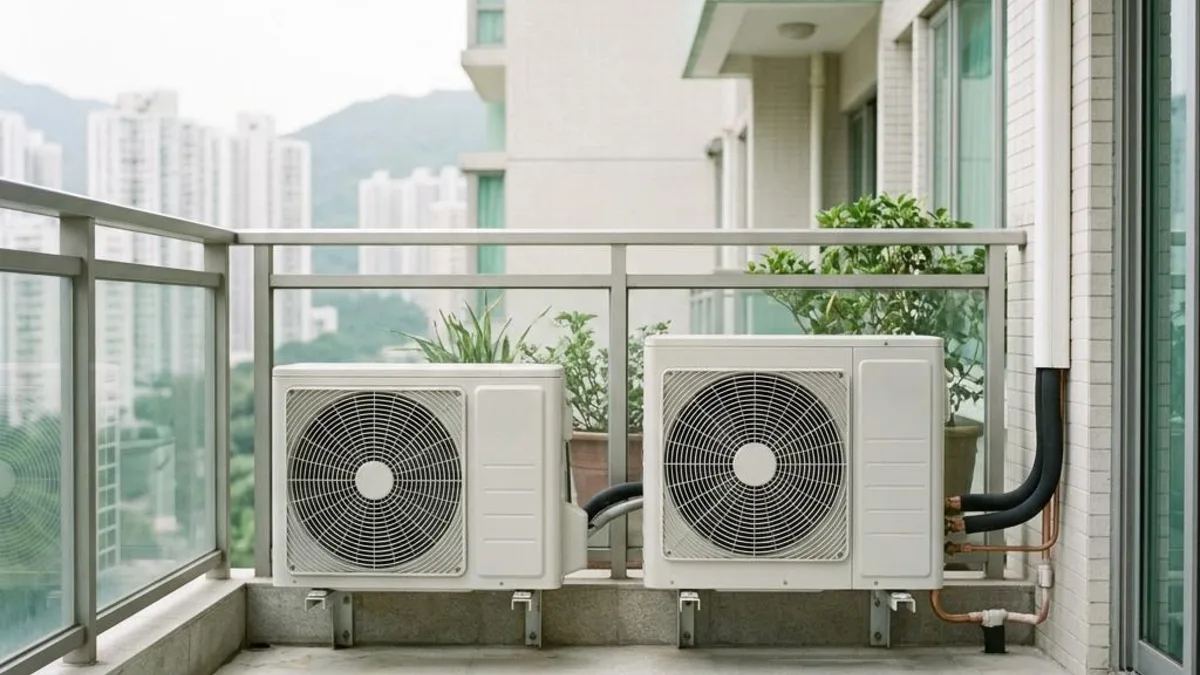
The compressor compresses low-pressure gaseous refrigerant into a hotter, high-pressure gas, which then releases heat and condenses in the outdoor condenser. The outdoor fan helps air pass through the heat exchanger, but the fan is not the compressor.
Heat dissipation requires proper space and airflow, and it must not be blocked with soundproof covers, miscellaneous items or temporary tape. If the outdoor unit does not run, the faulty part cannot be diagnosed from appearance alone.
Flow control and circulation
After the refrigerant passes through the expansion device and its pressure is reduced, it usually becomes a low-temperature, low-pressure gas-liquid mixture before entering the evaporator to absorb heat. The throttling process should not be simplified as all of it becoming gas immediately, while ignoring the later evaporation and heat absorption.
Different equipment has different controls, throttling components, and heating/cooling operation. This article explains general cooling situations only, and does not set standard figures for all system installations or faults.
Understanding the principle does not mean you can repair it yourself
Poor cooling, dripping water or icing can have different causes, so refrigerant should not always be added. In a normal sealed system, refrigerant should not be treated as a consumable that runs out on a regular basis.
Do not connect gauges, open valves, dismantle circuits, or release refrigerant yourself. If there is a burnt smell, smoke, a tripped breaker, or water on electrical parts, stop using the equipment and hand it over to a qualified person for inspection. Cleaning and repair are different tasks.
Related reading and services
- Current residential AC cleaning scope and charges
- Air conditioning guide by symptom
- Current charge confirmation, payment, rescheduling and service terms
- Back to AC encyclopedia and continue reading
Reference sources and applicable scope
This article provides a preliminary guide only and does not replace an on-site diagnosis. Original manufacturer functions and operation apply only to the corresponding model; please refer to your own unit's manual. For fixed electrical installations, inspection should be arranged by a registered electrical contractor.
Need professional help?
Need to know about Residential air conditioning service? First check the service scope and arrangements, then provide the model and site details for enquiry