
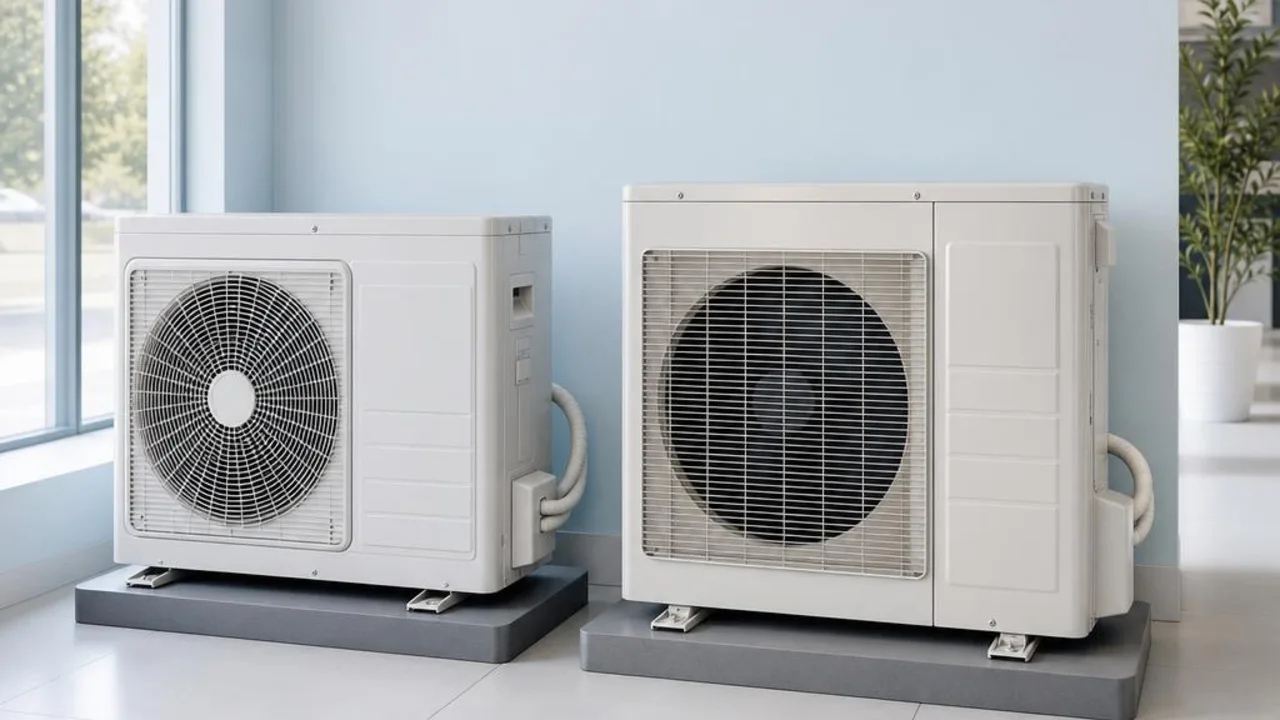
[Practical Guide] Should you choose an inverter for a small room? Myths about window-unit horsepower and inverter models
Contents
In Hong Kong’s cramped living environment, many single bedrooms or small rooms are often only around 50 to 80 square feet. When it is time to buy or replace a window-type air conditioner, many users hesitate between traditional fixed-speed models and inverter models, and also often struggle with whether to choose "0.5 HP" or "1 HP". Even though the room is small, choosing the wrong capacity or model can not only affect sleeping comfort, but may also create an invisible burden on electricity bills over time. Faced with these choices, if you understand a few key factors to objectively assess the room’s actual heat load and weigh installation and usage risks in advance, you can choose the most suitable air-conditioning setup.
How inverter technology works in very small spaces and the physics of temperature difference
People sometimes say that because a room is small, the AC can bring the temperature down quickly, so a cheaper fixed-speed unit is enough and there is no need to spend more on an inverter model. However, this view often overlooks the actual comfort needs during sleep and the physical characteristics involved. A traditional fixed-speed unit has only two states: full-speed operation or complete shutdown. Once the room reaches the set temperature, the compressor stops directly; when the room temperature rises slightly, it starts up again suddenly.
This frequent on-off cycle not only creates sudden mechanical startup sounds in the quiet of the night, but also makes the room temperature fluctuate noticeably. By contrast, once an inverter window AC reaches the set temperature, it automatically switches to a very low-frequency stable operating mode, keeping the room temperature within a steady and comfortable range for a long time. For light sleepers or users sensitive to temperature changes, choosing an inverter unit for a small room can help create a quieter and more stable sleeping environment, avoiding sleep disruption caused by frequent temperature swings.
Myths about choosing window-unit horsepower and the material limits of sill load-bearing structure
Another common myth is that if a small room is fitted with a higher-capacity air conditioner, the room will become too cold instantly and may even frequently switch on and off. In fact, under Hong Kong’s climate conditions, especially with summer temperatures often above 30 degrees in recent years, and with environmental factors such as west-facing sun, heat from a computer tower, or a higher ceiling in some rooms, blindly choosing an air conditioner with too small a capacity will often force the machine to run for long periods under overload in order to fight external heat sources.
For a typical room of 60 to 80 sq ft, a standard 1 hp window-type unit usually provides a more generous cooling margin, so the unit does not need to run at full capacity all the time during everyday use. However, when choosing a larger-capacity window unit, you must also consider the material limits of the existing window ledge or concrete support bracket. In some older buildings, the concrete window ledge or metal bracket may show slight weathering or rust. If a heavier inverter window unit is installed without due care, there may be structural safety risks, so the load-bearing capacity of the bracket must be assessed in advance.
Key self-check points for room heat load and environmental variables
Before deciding on the exact cooling capacity and model, users may first carry out a self-check across a few objective factors to assess the room's actual heat load. First, check the room's actual ceiling height and window orientation. If the design has a high ceiling, the overall air volume increases and the required cooling capacity will naturally be higher; if the windows face west, strong afternoon sunlight will greatly increase indoor heat gain. Next, pay attention to the arrangement of electrical appliances in the room, such as always-on high-power computers or audio-visual equipment.
Also check whether the existing window-position power supply can handle the load. In some older buildings, the socket wiring is thinner, and there may be a risk of excessive electrical load if high-power appliances are used for long periods while the air conditioner is running. Self-checking these details helps determine the actual cooling specification more accurately.
Cost-benefit assessment of long-term operation and electricity costs versus repair costs
Many users carefully compare the price difference between inverter and non-inverter models and weigh the long-term electricity savings. If the room’s AC is typically left on for eight to ten hours at night, an inverter window unit can reduce frequency once the temperature stabilises, avoiding the high-power surge that occurs when a non-inverter unit restarts. From a long-term use perspective, although inverter models usually cost a little more upfront, their energy savings and comfort can often gradually offset the difference in high-use situations.
However, users should also consider repair costs. The electronic control board in inverter models is relatively delicate, and if it is exposed to a humid environment or unstable voltage, future repairs may be more complex and replacement parts may cost more than for a traditional fixed-speed model. Assessing these potential long-term costs objectively before purchasing can help you make the choice that best suits your needs.
Seek help from a professional team
Choosing and installing a window-type air conditioner involves not only comparing horsepower and inverter technology, but also considering the size of the window ledge, the load-bearing structure of the aluminium window frame and drainage arrangements. If you buy a model that does not fit the window ledge size or is too heavy, installation often requires modifying the frame and may even create future vibration, noise or leakage risks. Choosing an experienced professional air conditioning engineering team can effectively help you balance cooling, quiet operation and energy efficiency within limited room space.
Related reading and services
Need professional help?
Need to know about Residential air conditioning service? First check the service scope and arrangements, then provide the model and site details for enquiry