
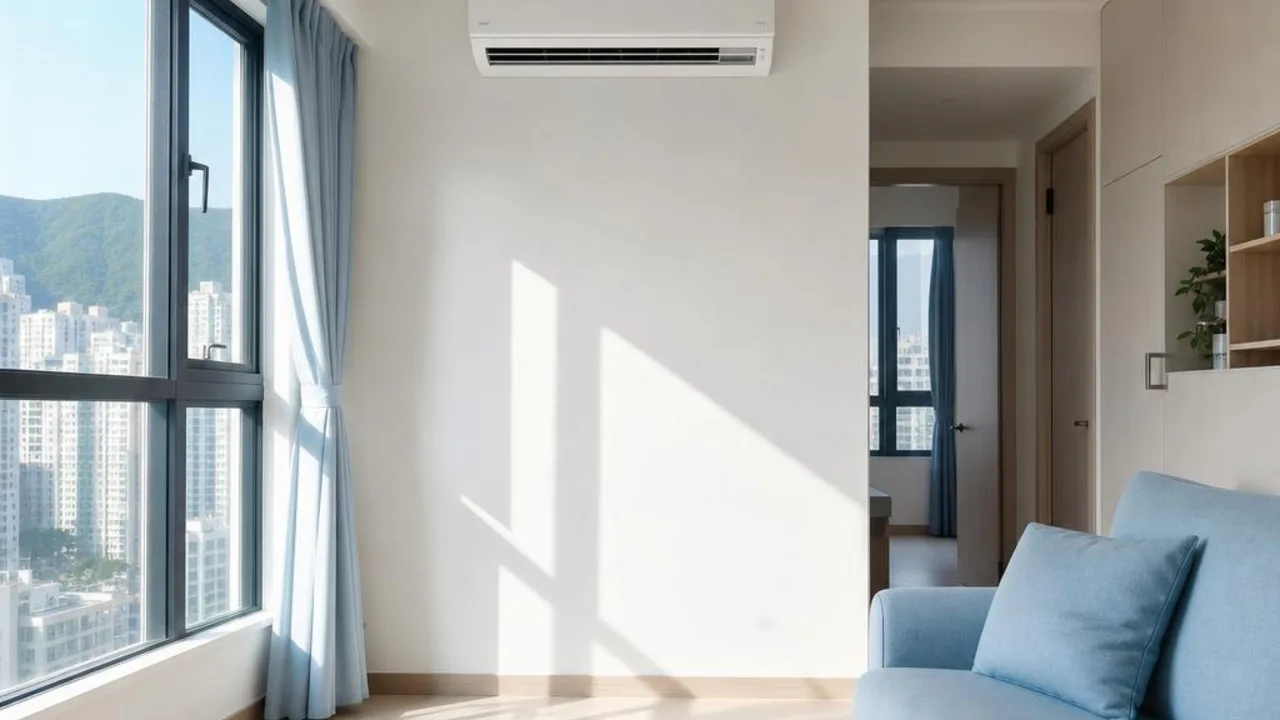
How to choose the right air conditioner capacity? Room load, cooling capacity and energy label
Contents
When choosing an air conditioner, do not rely only on the room size to pick a horsepower rating. First review the area, ceiling height, west-facing exposure, windows, number of occupants and heat sources, then check the candidate model’s rated cooling capacity, installation restrictions and Hong Kong Energy Label; if needed, have a suitable person assess the cooling load.
Air conditioner capacity | Overview of air conditioner capacity
In Hong Kong, "horsepower" is a market classification term and should not be taken as the unit’s actual cooling output or power consumption per hour. When comparing models, check the listed cooling capacity in kW or BTU/h, and distinguish between cooling capacity and input power.
Air conditioner capacity | Choosing the right air conditioner capacity
When choosing AC horsepower, you need to consider the following factors:
Room area is the starting point, not the only basis. Rooms with the same area may still require different cooling capacities due to west-facing exposure, windows, ceiling height, or heat sources, so a fixed wattage per square meter of 80 to 100 or a horsepower chart cannot replace an assessment.
Ceiling height and spatial connection: measure the actual ceiling height, and state whether it connects to a corridor, open kitchen or other rooms. Do not use 3 metres as the only cutoff to automatically increase the horsepower.
Room orientation and sunlight exposure: rooms facing south or west receive more sunlight, so the capacity should be increased appropriately. Also consider window size and shading facilities to ensure the air conditioner can effectively resist heat gain.
Occupancy and use: If there are more people in the room or the use is more intensive (such as a meeting room or shopping mall), the horsepower rating should be increased appropriately to ensure sufficient cooling capacity.
District climate: Climate differences between districts also affect the required horsepower of an air conditioner. For example, hot and humid districts require higher horsepower to ensure good cooling performance.
Building structure and insulation performance: the structure and insulation performance of a building also affect the required AC capacity. For example, buildings with good insulation can choose a relatively lower capacity, while others may require a higher capacity.
Air conditioner capacity | Ways to improve air conditioner operating efficiency
After choosing the appropriate air conditioner horsepower, you can also improve operating efficiency by using the following methods:
- Energy efficiency: compare the Hong Kong energy label, model and electricity consumption data under similar cooling capacity, the same equipment type and applicable rating standards; larger capacity does not mean lower power use, and you also cannot judge based on only one EER figure.
- Maintenance: follow the manual for dust filters that residents are allowed to remove and clean, and pay attention to changes in airflow and dirt buildup. Have the indoor unit, outdoor high-level unit and electrical parts handled by suitable personnel; the maintenance frequency should be assessed based on usage and equipment condition, and there is no blanket requirement for at least one repair visit a year.
- Settings: adjust according to actual comfort, humidity, user needs, and the unit’s functions, and avoid unnecessarily low settings. Whether a timer or sleep mode is suitable depends on actual use; do not apply one fixed temperature and number of hours to every room.
- Improve the indoor thermal environment: Properly shading windows and reducing direct sunlight can lower indoor temperature and reduce the load on the AC, while maintaining good indoor ventilation helps improve AC operating efficiency.
- Choose the right AC mode: Selecting the appropriate mode, such as energy-saving mode or sleep mode, allows you to adjust the AC's operation according to actual needs and achieve energy savings.
First match the load and installation conditions, then compare energy data and the total budget; after choosing the unit, use and maintain it according to actual conditions. These data help with decision-making, but they cannot promise that any one capacity size will always be the most energy-saving or suitable for all rooms of the same area.
Related reading and services

Want to arrange AC cleaning or maintenance?
OPOExpert Air Conditioning provides residential and commercial AC cleaning and maintenance with clear pricing. Enquiry first or book online directly